- 1
- 2

California Dive Sites Map
11 dive sites, 47 photos
Click the map to enable scroll-wheel zoom. Switch on “Water depth shading” and click anywhere for the approximate depth, “Seafloor relief” for sonar-surveyed areas, or “Nautical marks” (zoom in) for harbours, wrecks, buoys and lights. Depth data (GEBCO grid of roughly 450 m; GMRT only where ships have surveyed) and nautical marks (OpenSeaMap) are for orientation only, not for navigation or dive planning. Pin positions mark the start of the dive (boat anchor or entry point), not the exact spot underwater. Zoom out to see dive sites of other locations: grey pins are dive sites without photos, flags are dive centers. Pale pins show an approximate position (nearby dive center or dive area).
- 1
- 2
Diving Channel Islands, California
The Channel Islands lie off the coast of Southern California and are surrounded by the Channel Islands National Marine Sanctuary. I visited Santa Cruz Island and Anacapa Island, both of which offer excellent diving with a remarkable diversity of temperate marine life.
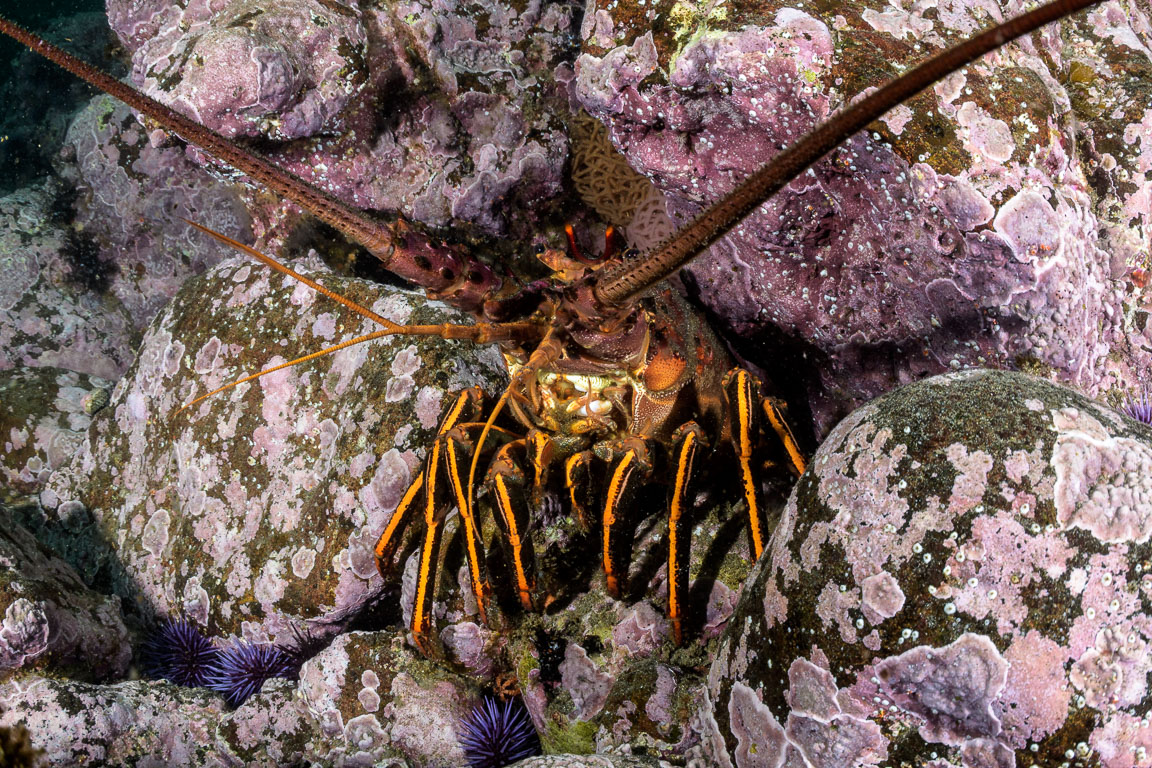
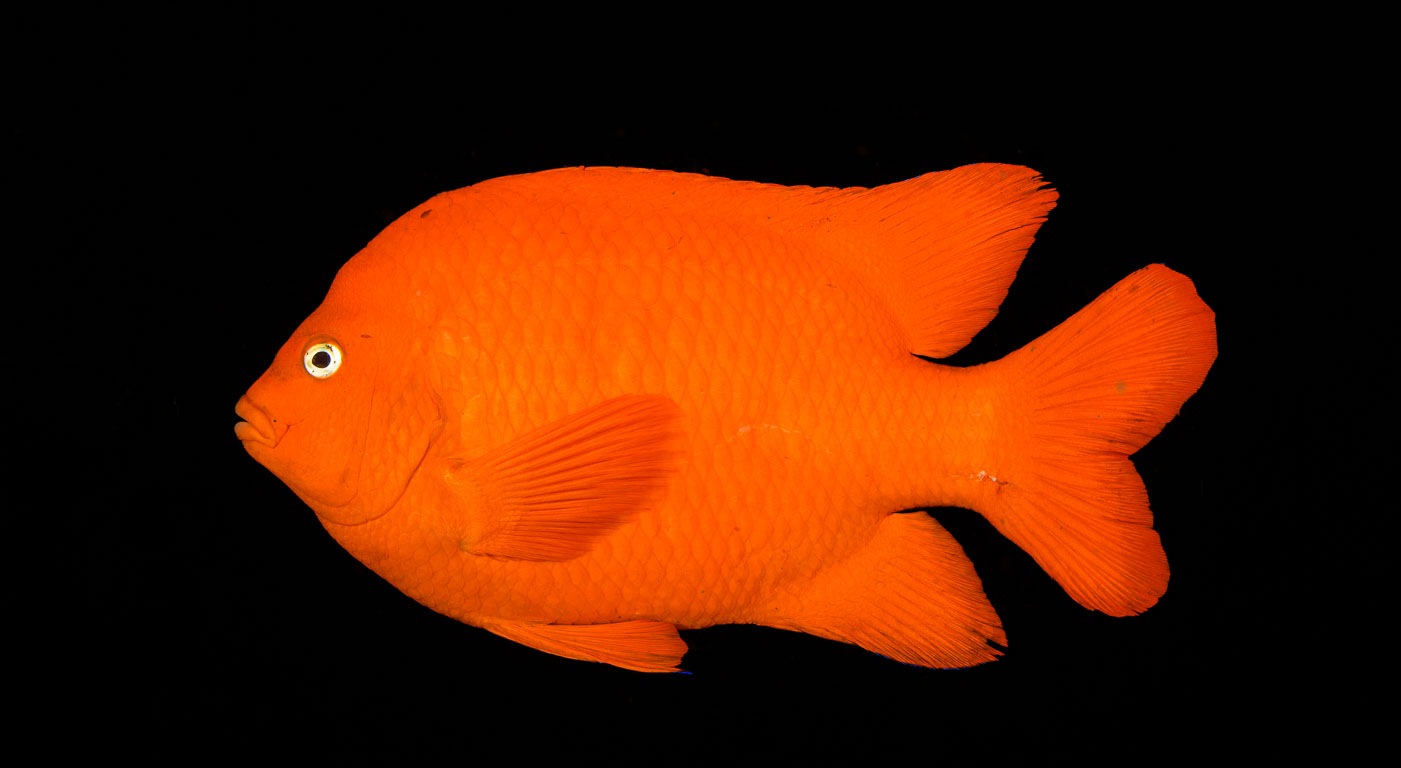
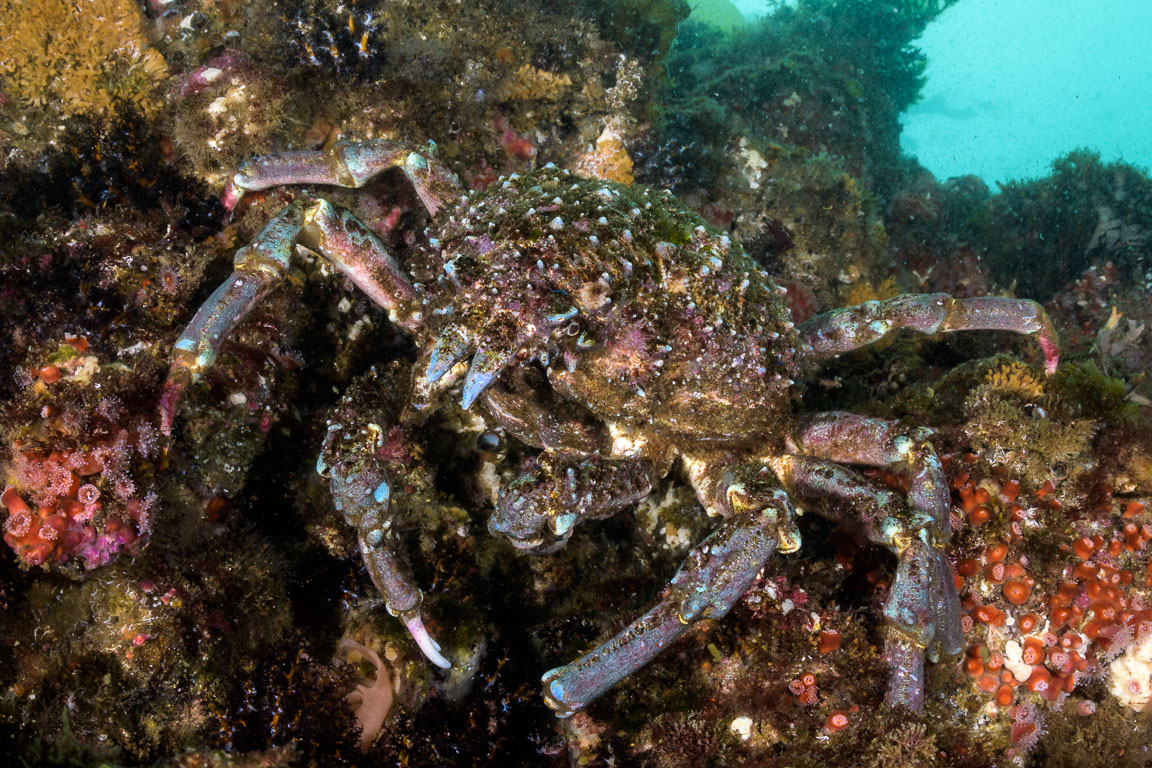
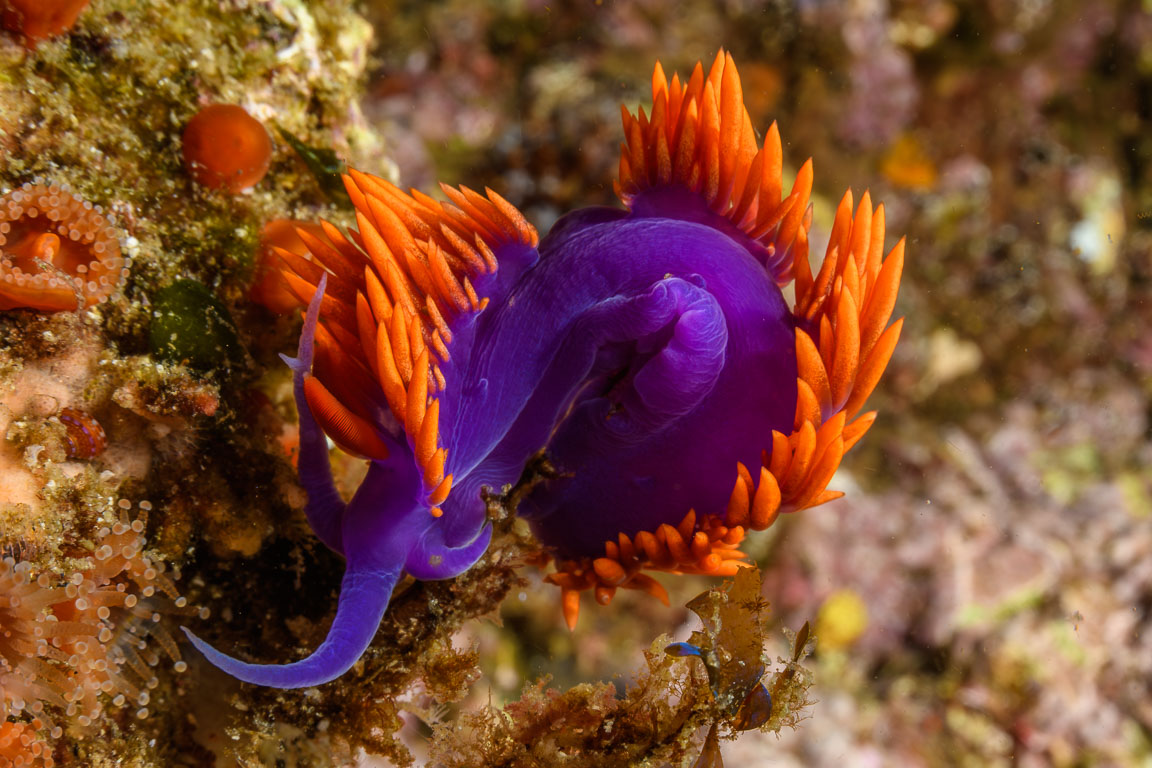
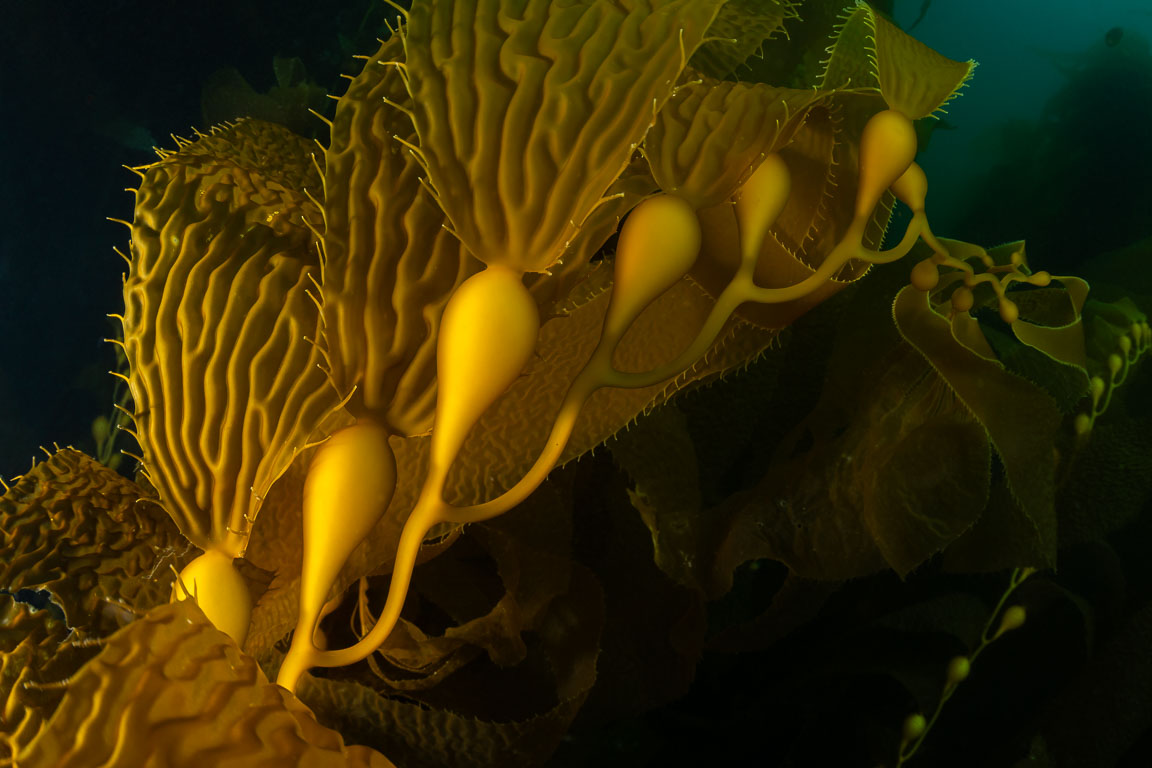
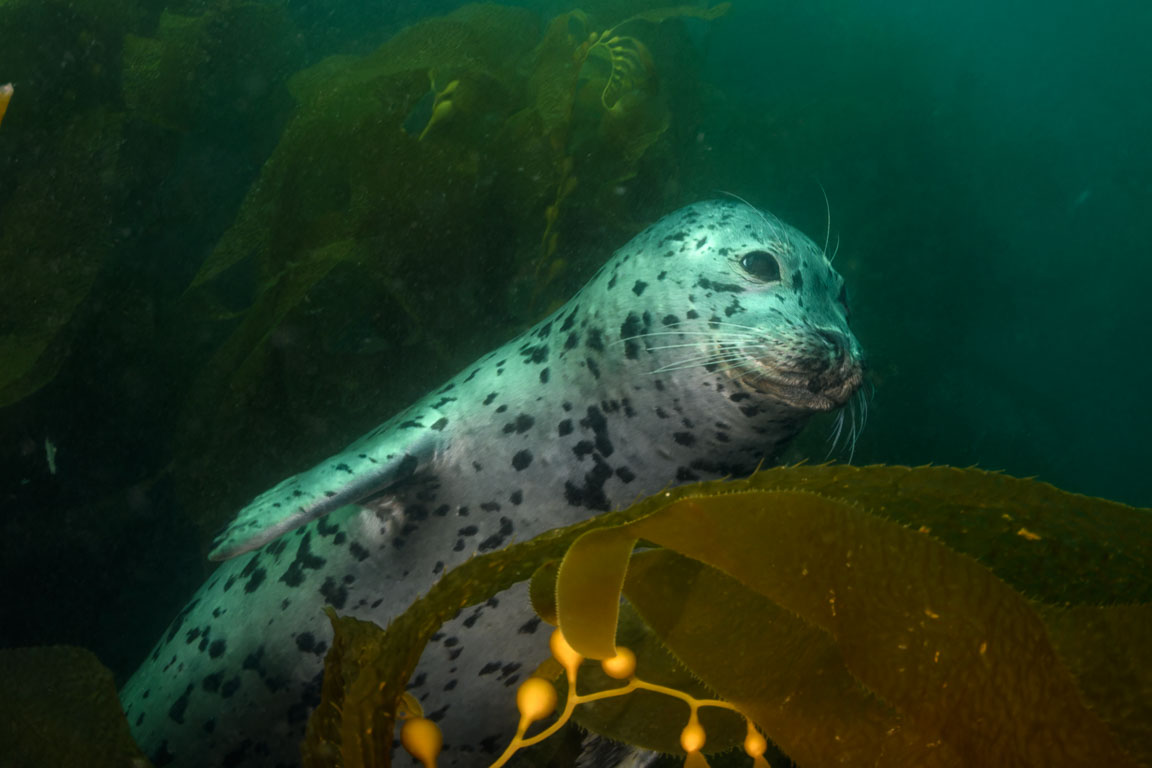
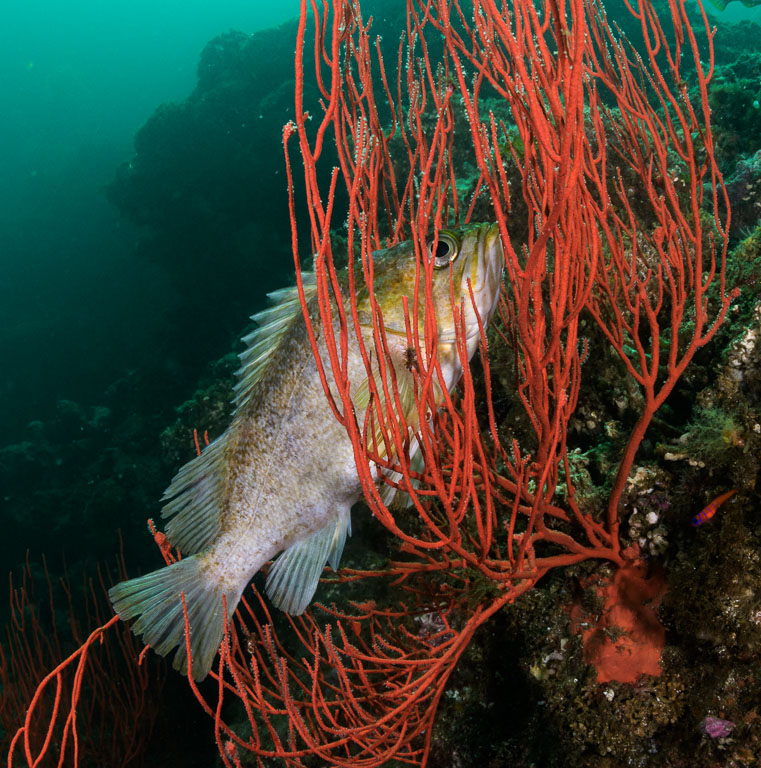
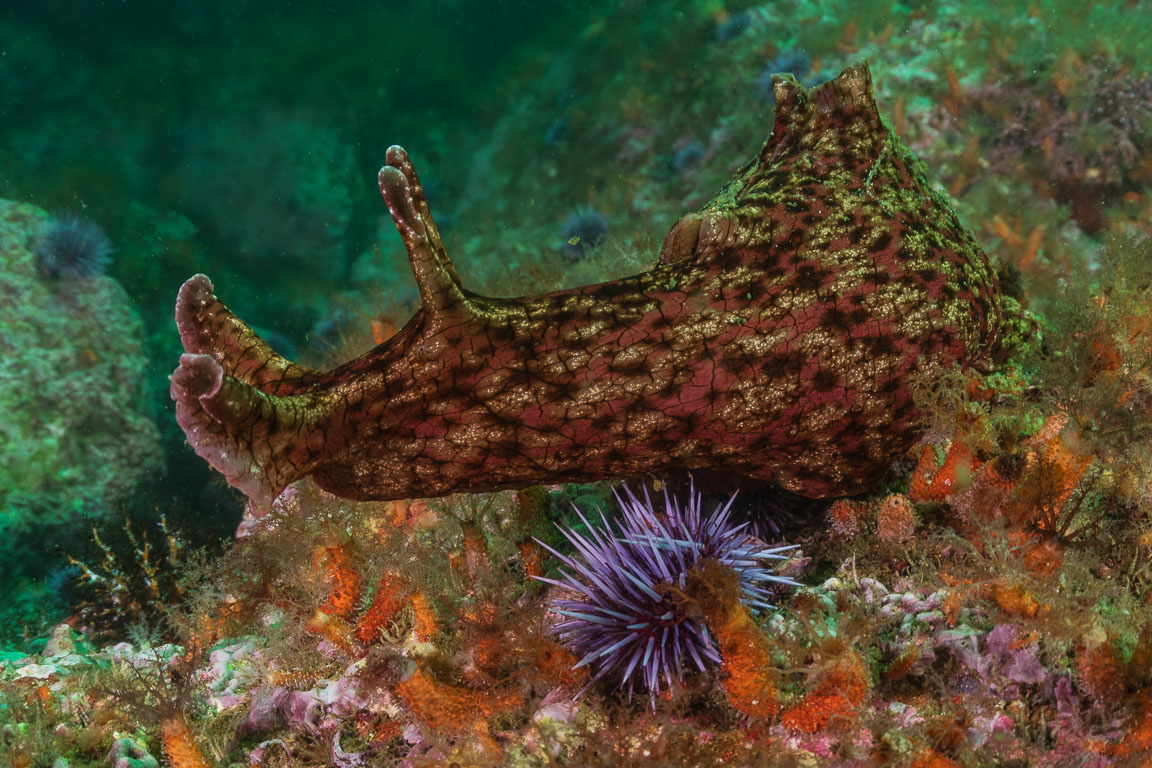
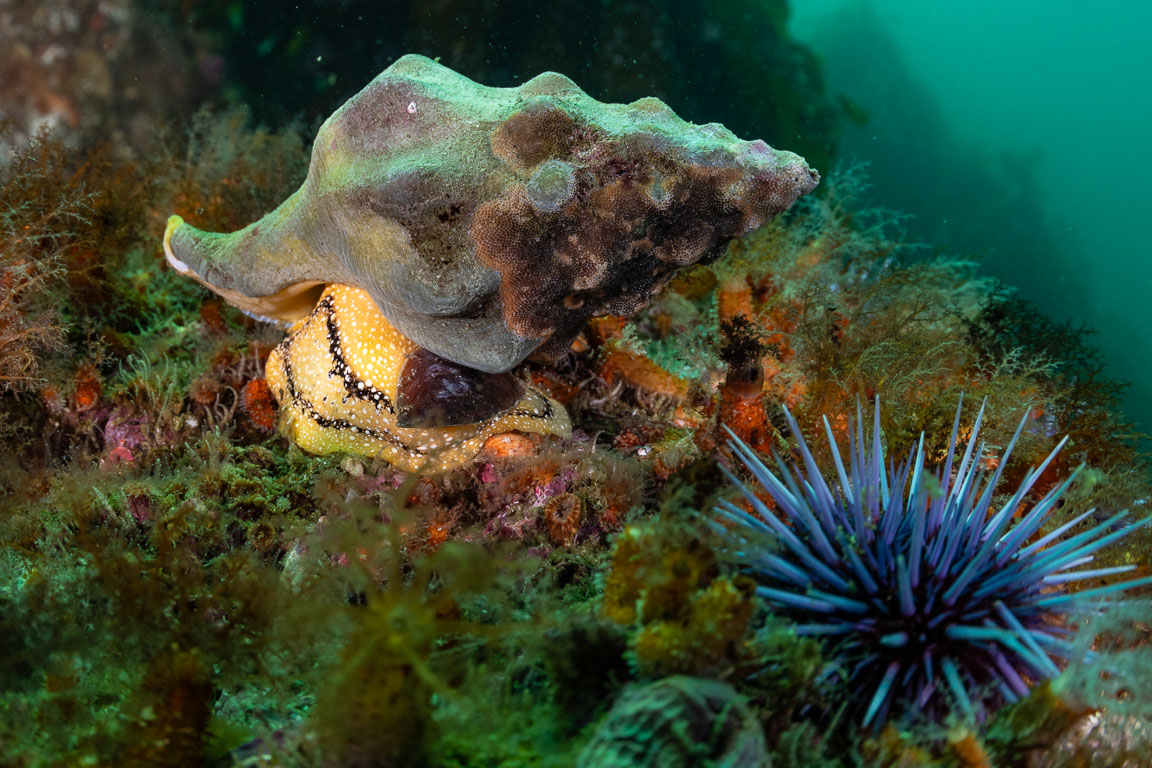
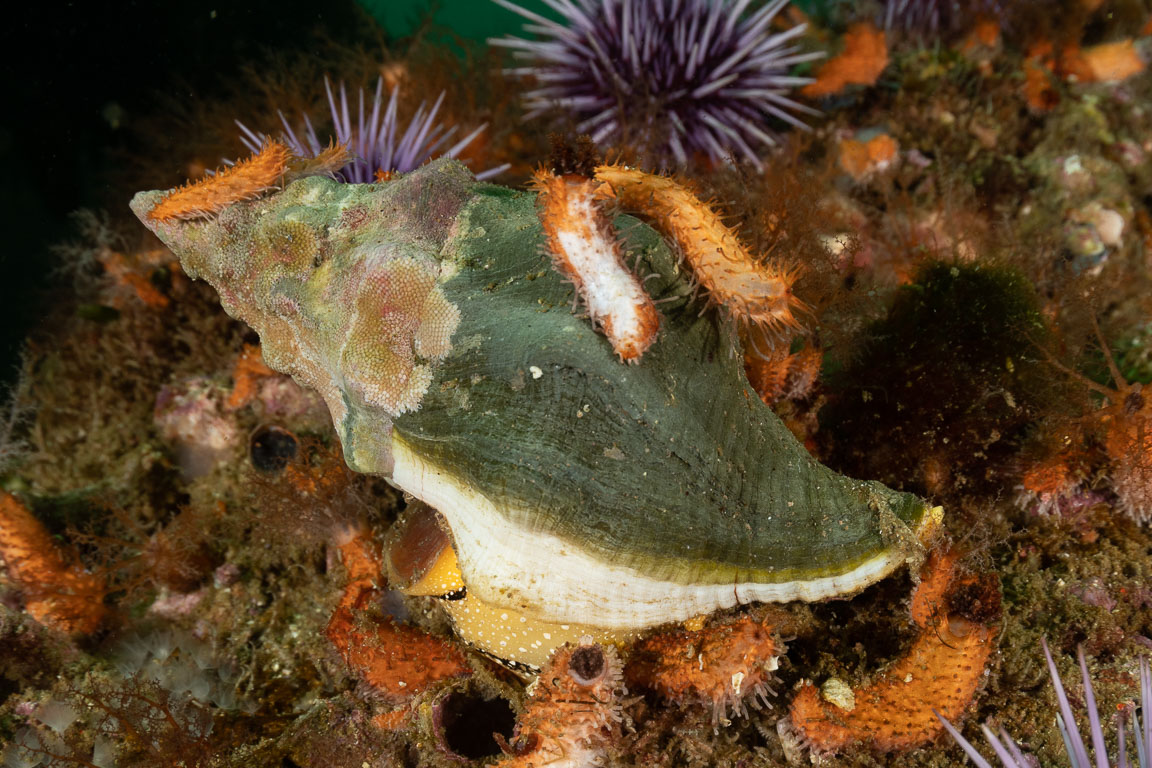
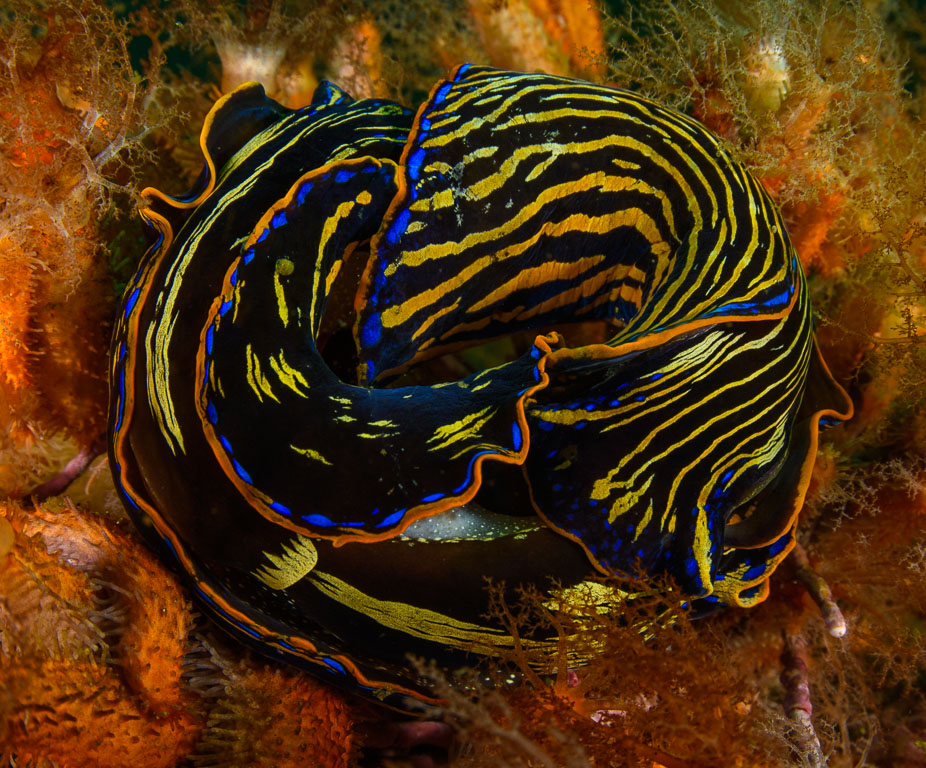
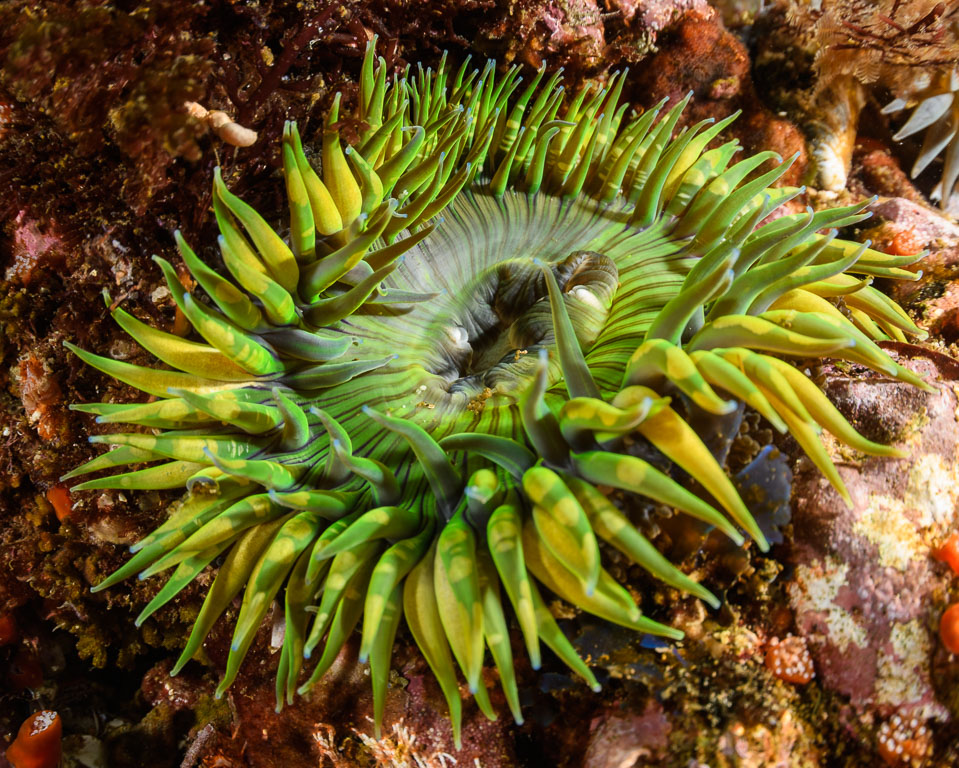
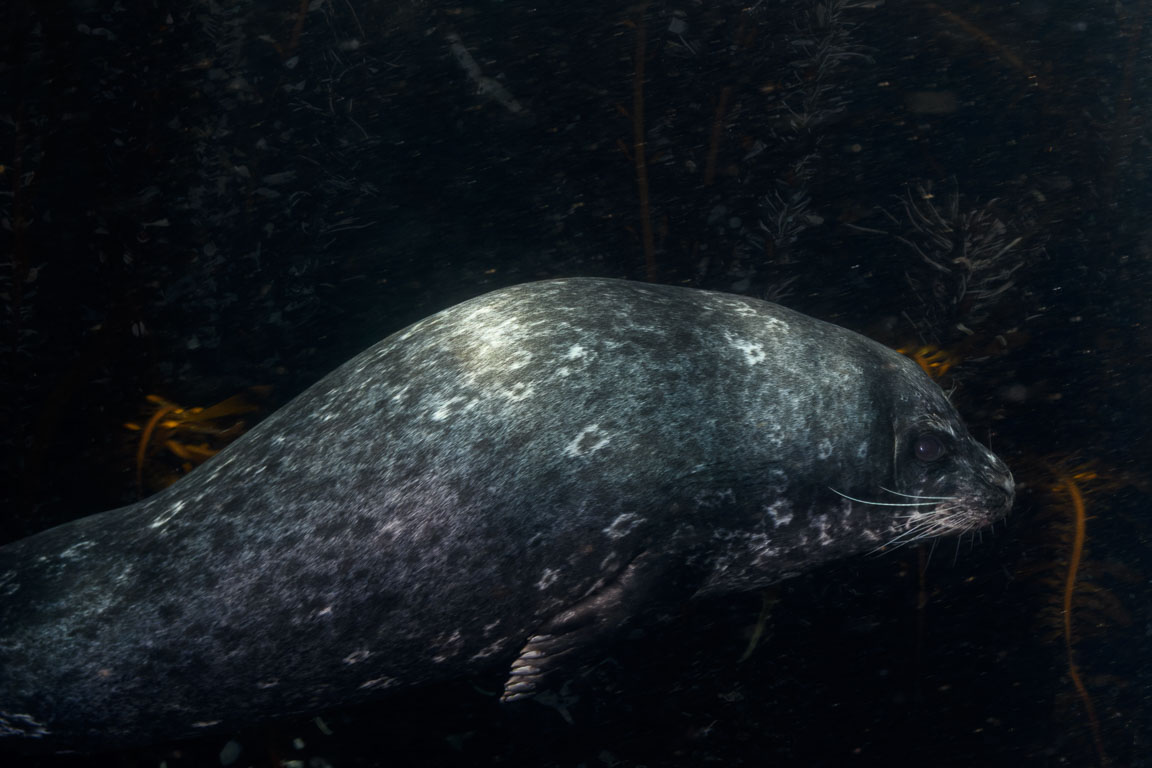
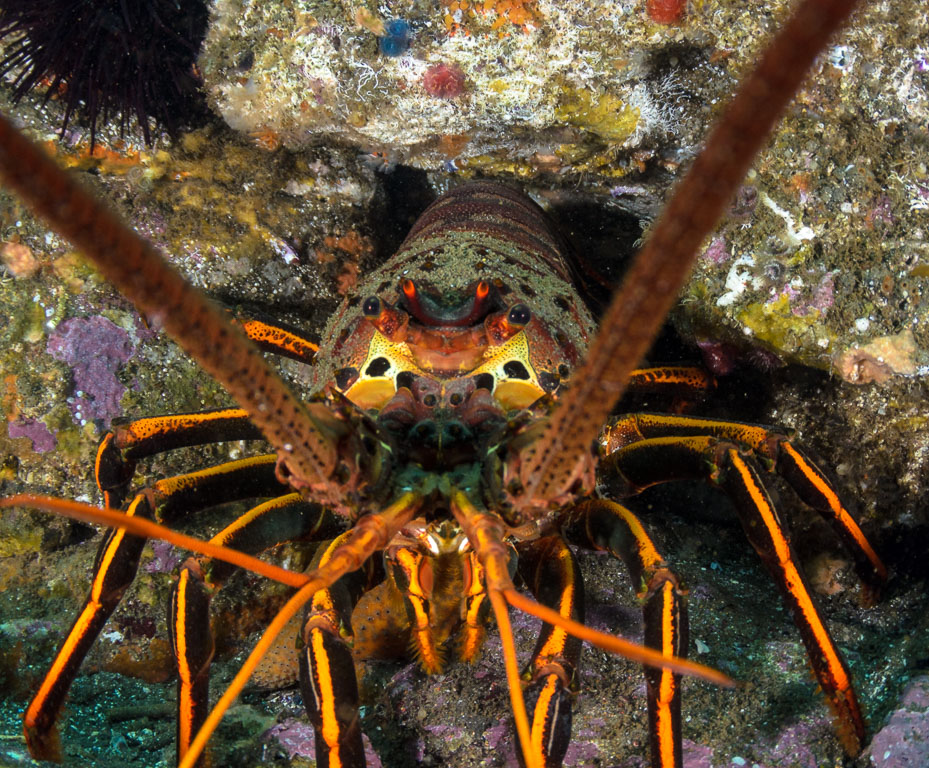
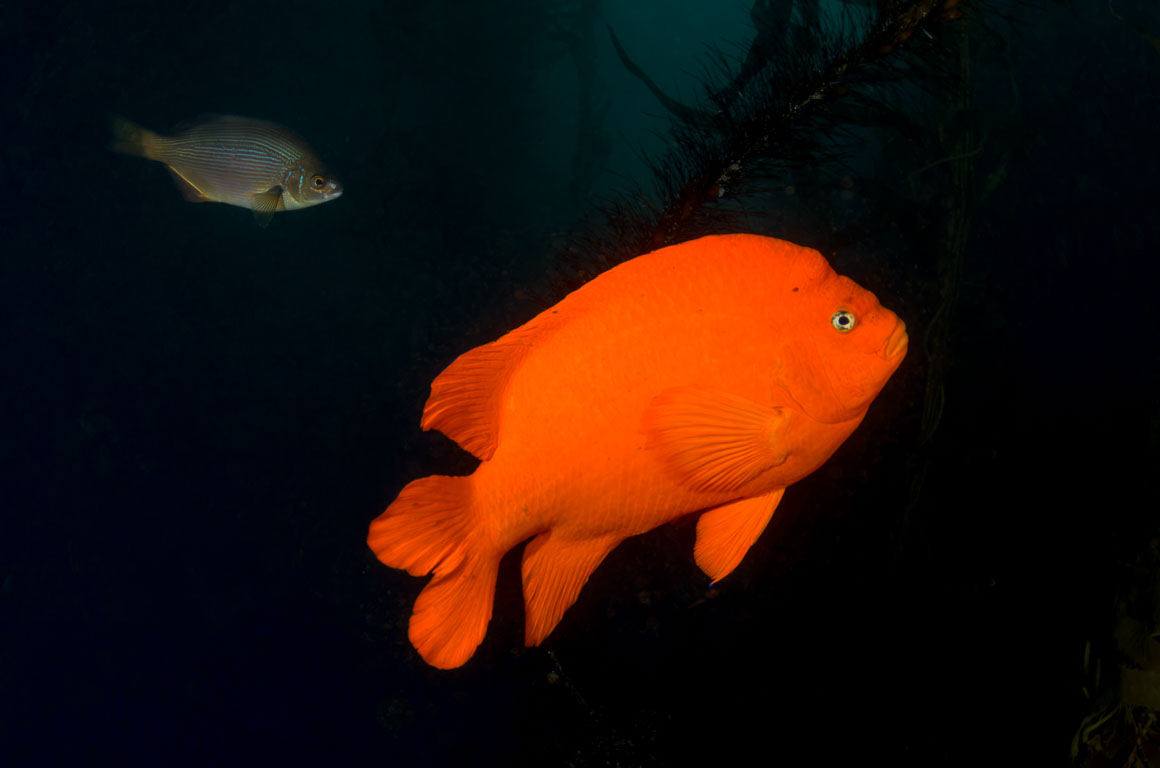
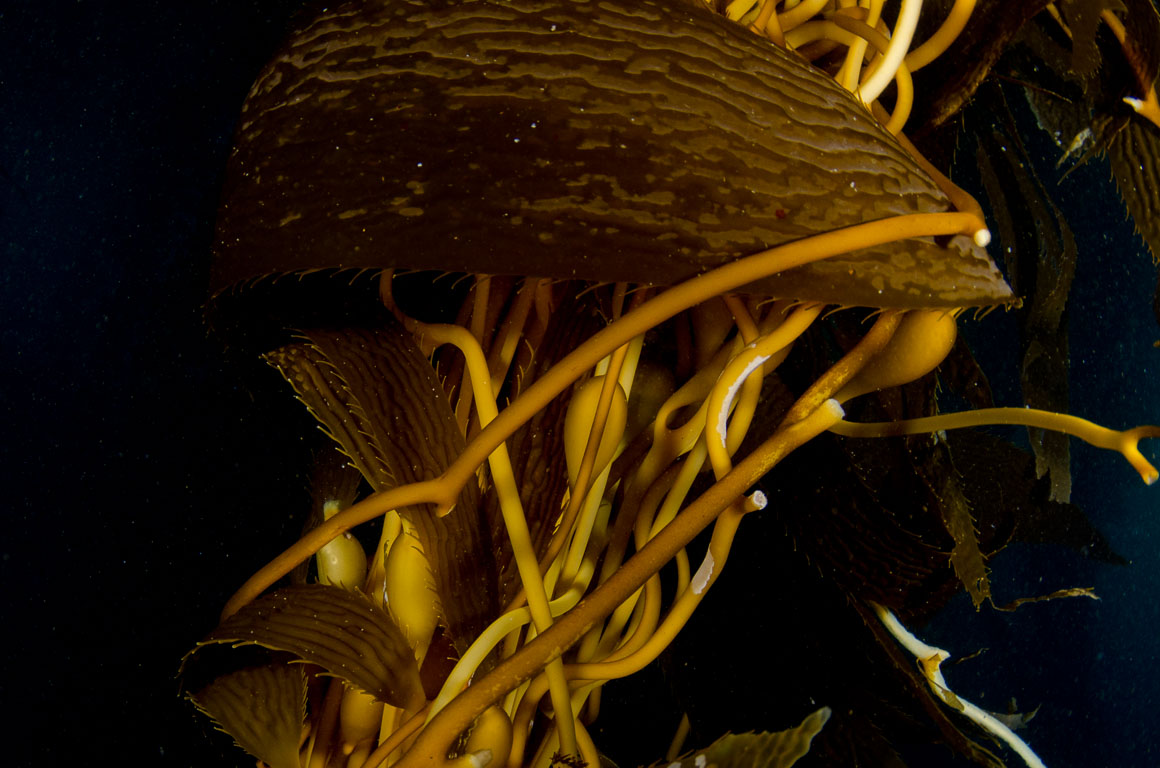
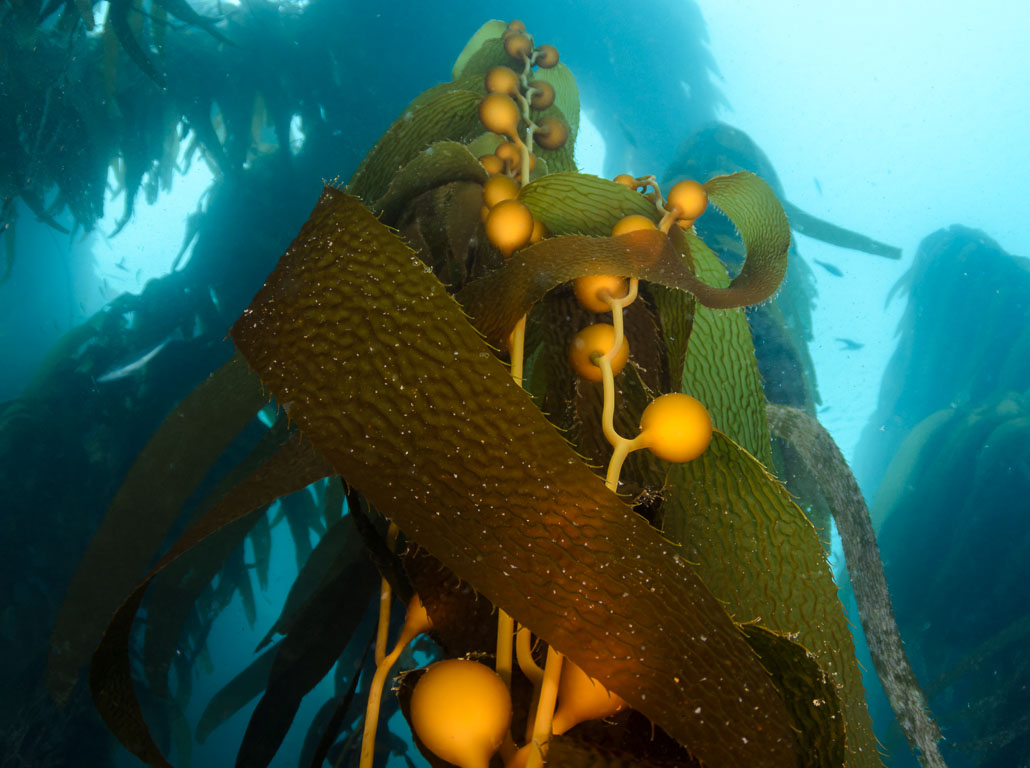
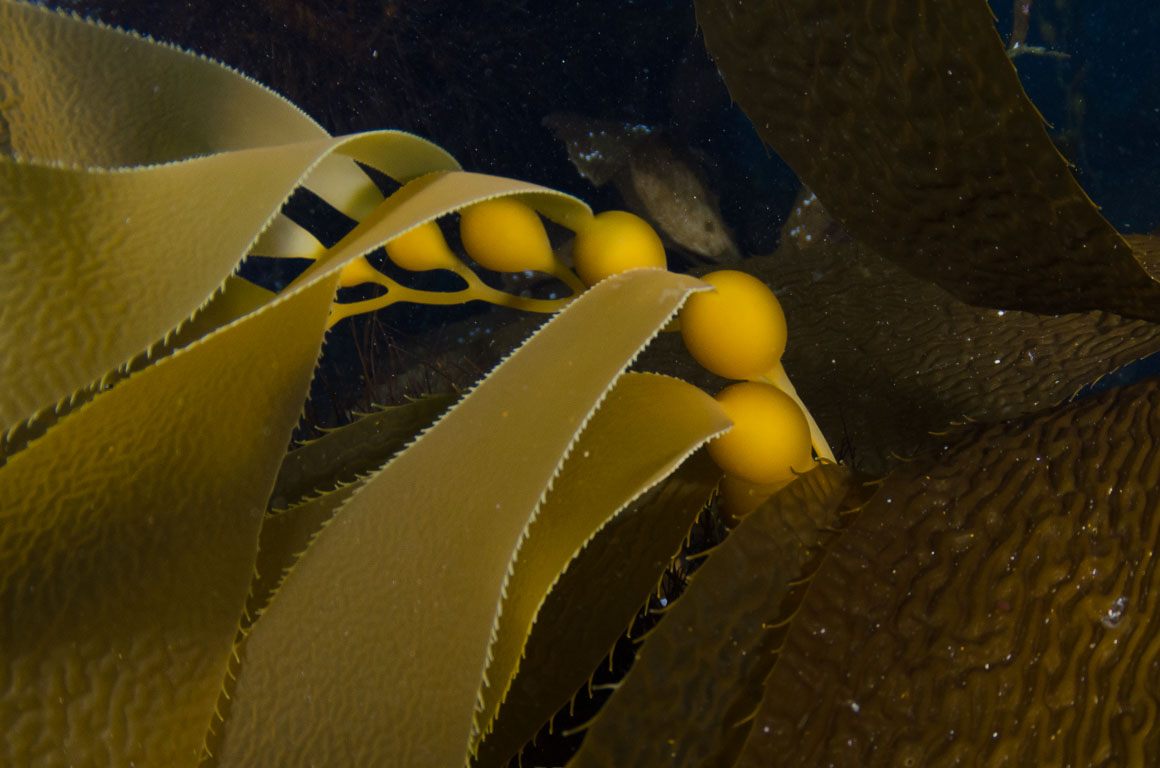
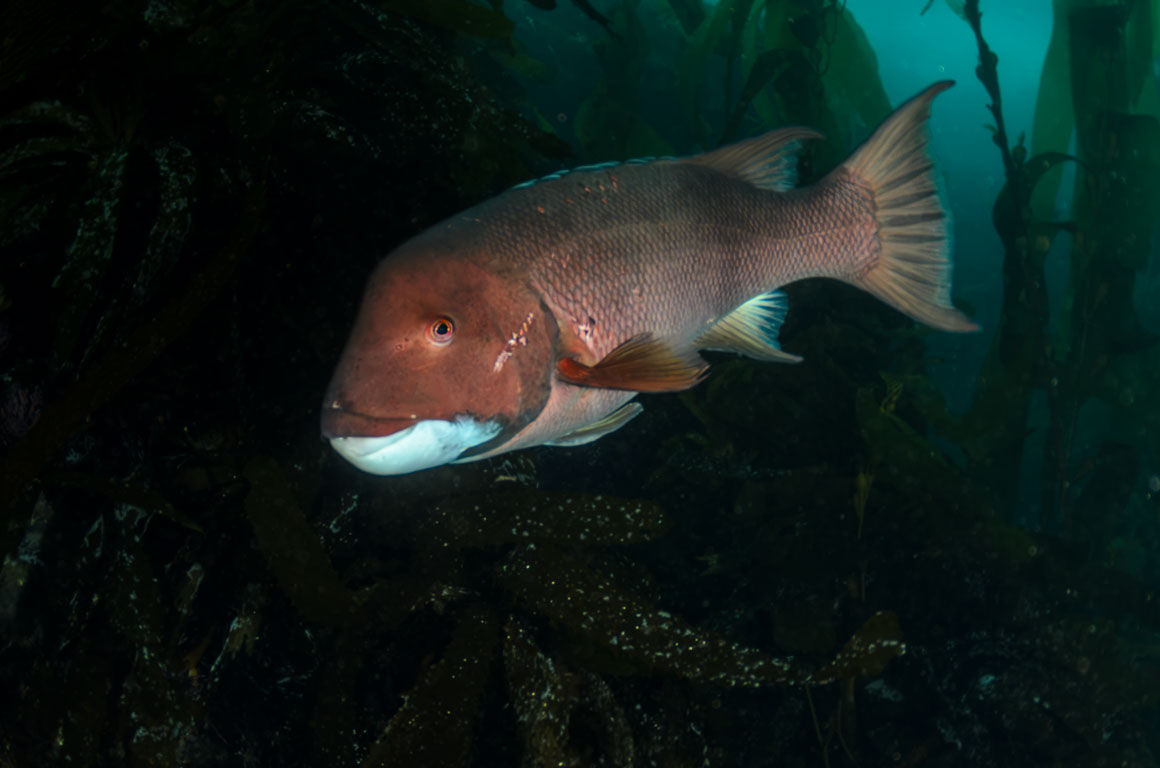
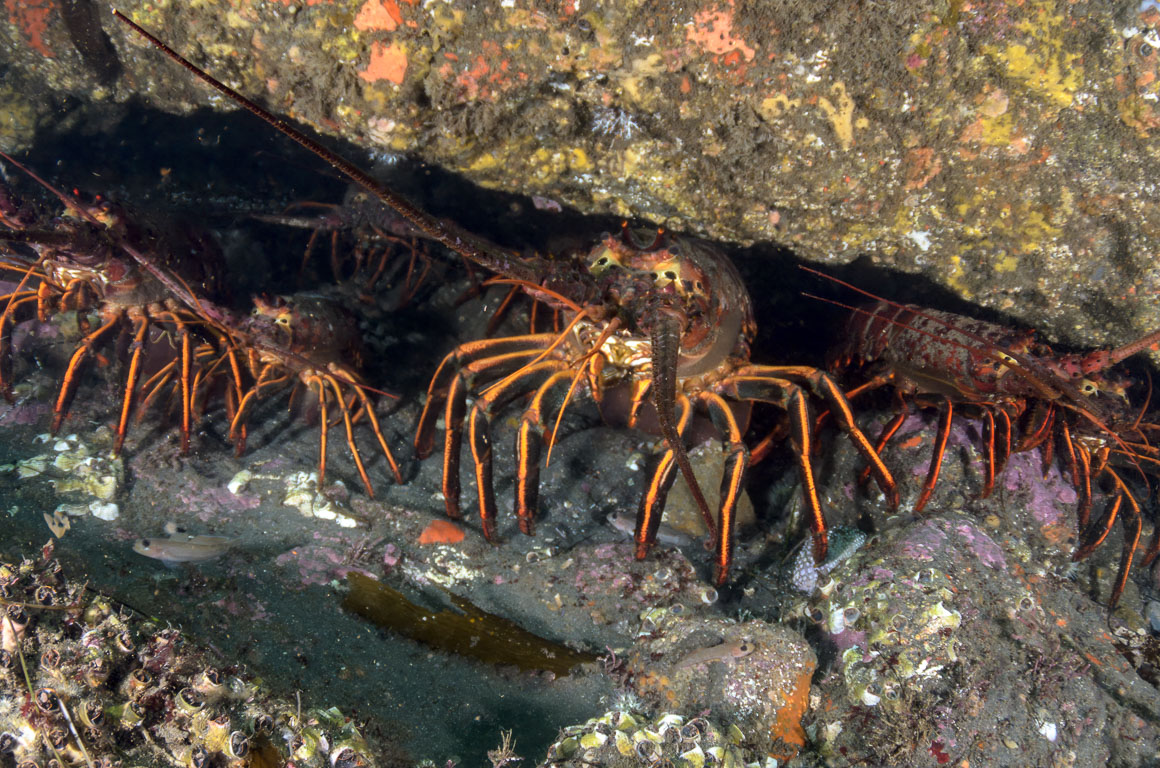
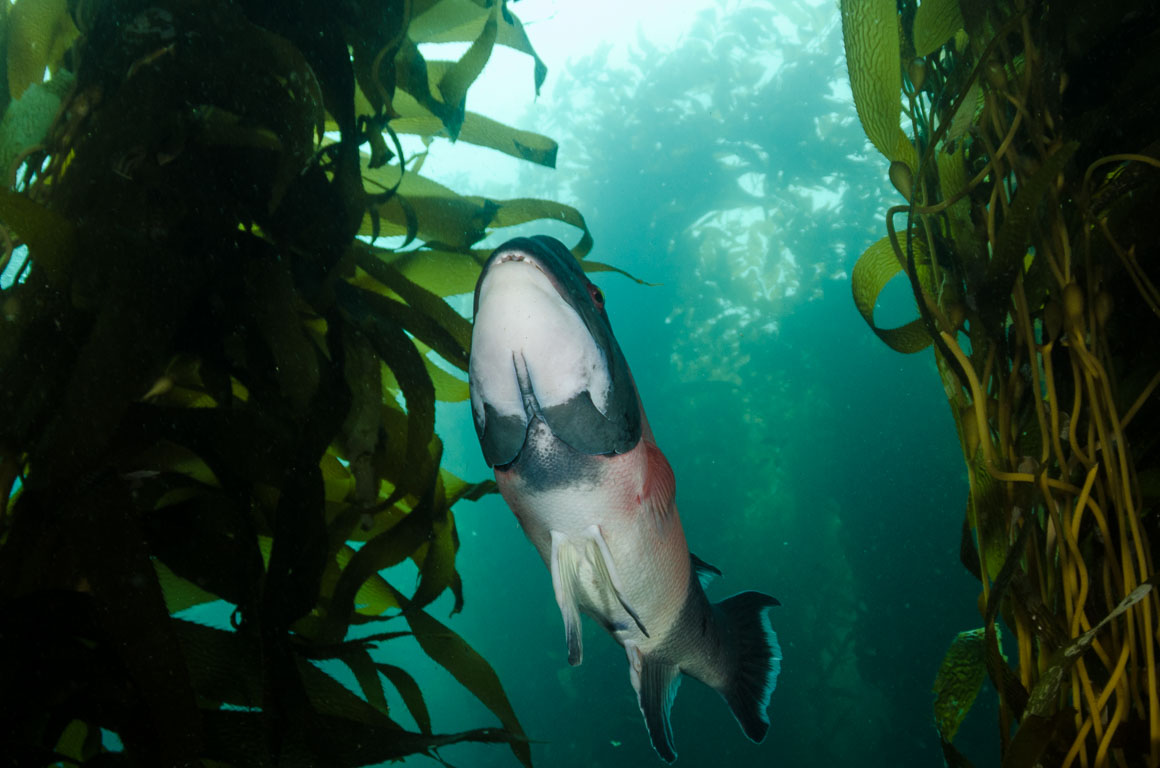
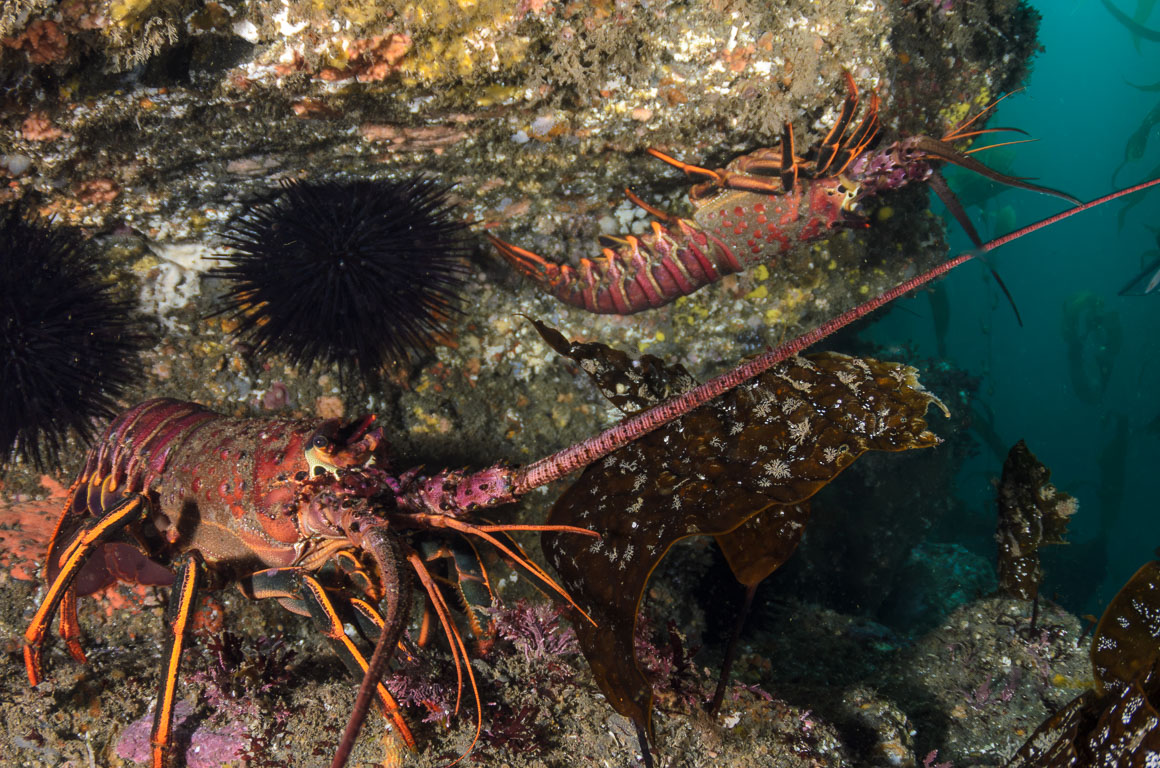
The characteristic feature underwater is the giant kelp forest. Rocky reefs are covered with kelp, creating a three-dimensional habitat for an impressive variety of fish and invertebrates. Garibaldi, California sheephead, rockfish, kelp bass, sea stars, anemones, nudibranchs, lobsters, and many other species can be encountered. California sea lions are also common around the islands.
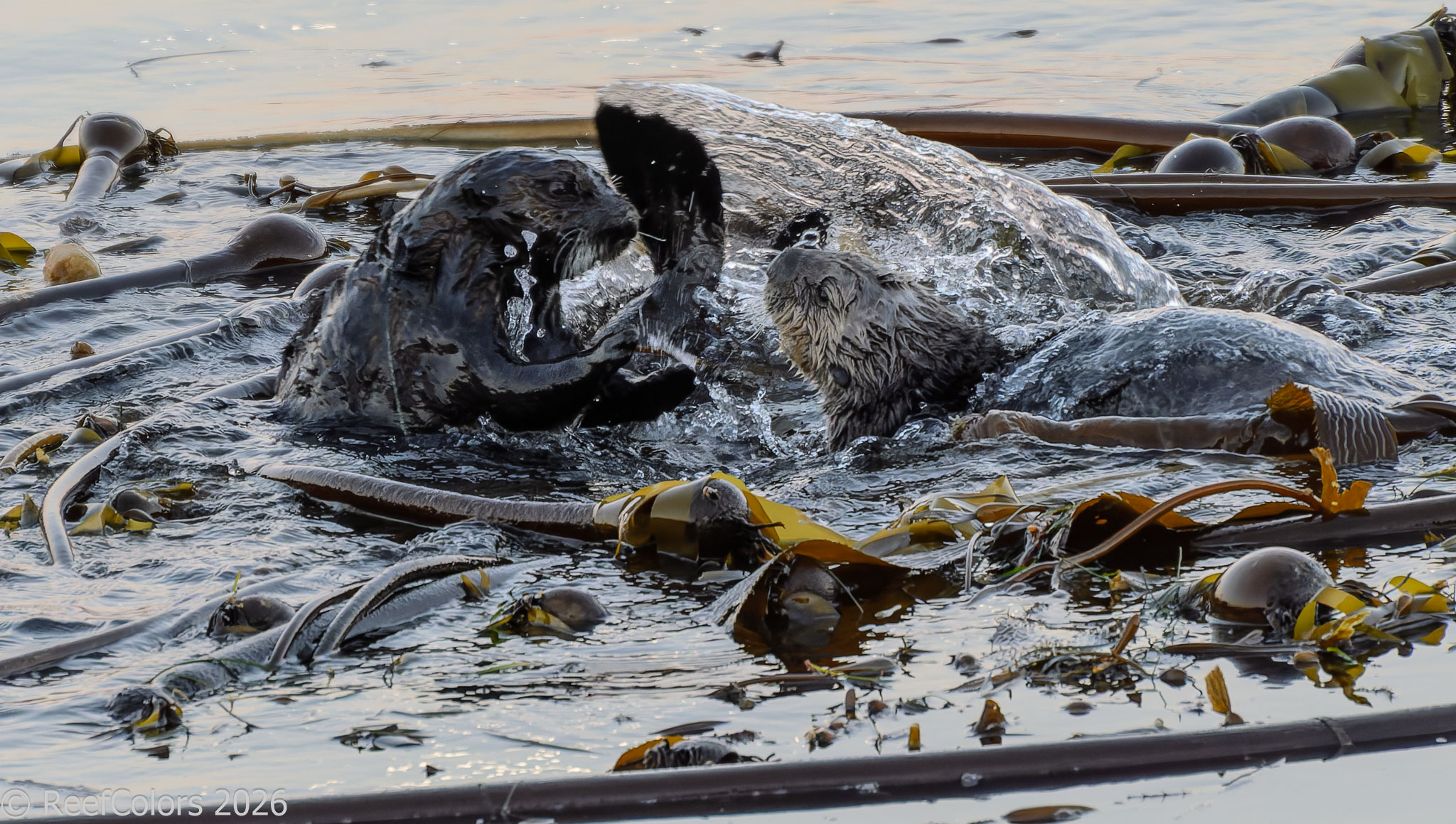
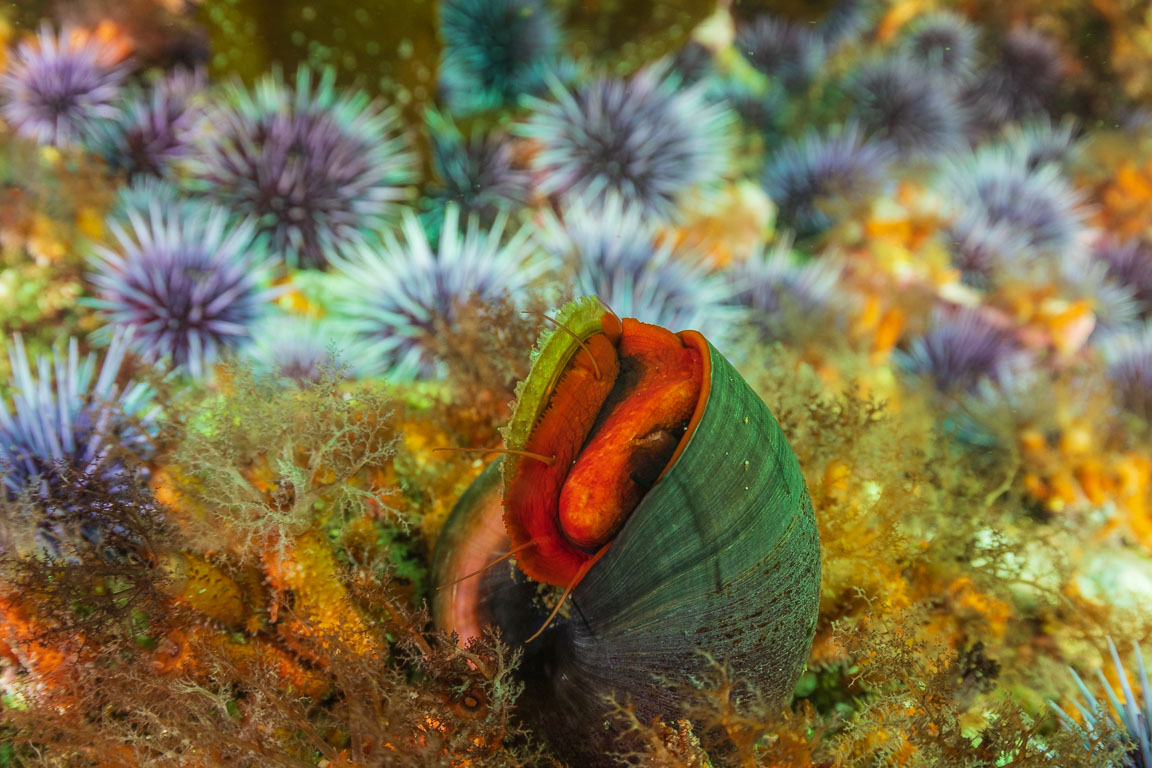
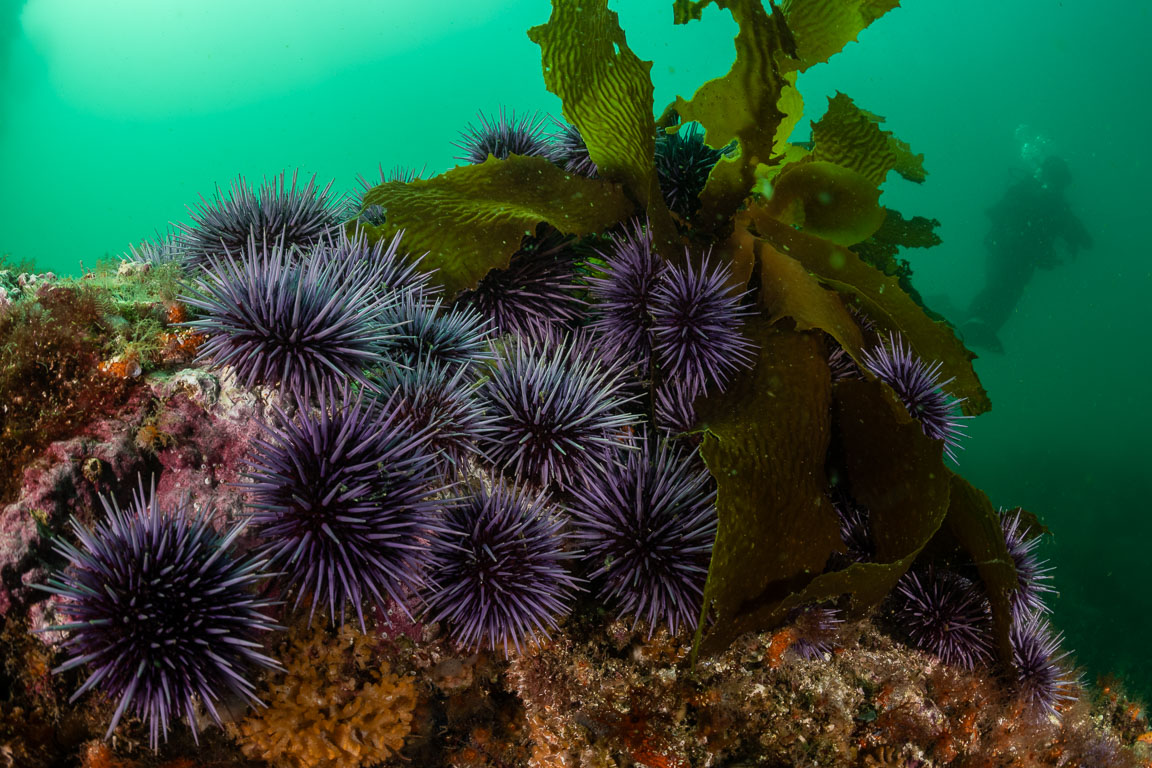
Unfortunately, the kelp forests are under pressure. Sea urchins can overgraze kelp when their natural predators are reduced, creating so-called urchin barrens in which the kelp forest is replaced by a much less productive rocky seafloor. Sea otters are important predators of sea urchins and once played this role in the Channel Islands. They were hunted to local extinction around the islands and, although the southern sea otter is now protected, they have not yet returned to the Channel Islands as a resident population. Today, California sheephead, spiny lobsters, and sunflower stars are among the predators that help keep sea urchin populations in check.
Santa Cruz Island has a varied underwater landscape, with rocky reefs, steep walls, caves, and shallow habitats supporting kelp forests. Anacapa is similarly characterized by rocky reefs, kelp forests, caves, and arches along its coastline.
Visibility can vary considerably depending on season, weather, and ocean conditions. When conditions are good, the combination of rocky reefs, kelp forests, abundant fish, and invertebrates makes the Channel Islands an excellent destination for underwater photography.
I did all my trips to the Channel Islands with the Spectre Dive Boat, based in Ventura. The Spectre is a comfortable older steel vessel and well suited for the long trips to the islands. The water can be surprisingly cold, with temperatures dropping to around 15°C even in August. A 7 mm wetsuit or a dry suit is therefore advisable. The Spectre even has a hot tub on board, which is very welcome after a couple of cold dives. And, somewhat unusually for a dive boat, there is also a charcoal barbecue—something I had never encountered on a dive boat before.
The photographs in this album were taken around Santa Cruz Island and Anacapa Island.