Zeeland Dive Sites Map
2 dive sites, 15 photos
Click the map to enable scroll-wheel zoom. Switch on “Water depth shading” and click anywhere for the approximate depth, “Seafloor relief” for sonar-surveyed areas, or “Nautical marks” (zoom in) for harbours, wrecks, buoys and lights. Depth data (GEBCO grid of roughly 450 m; GMRT only where ships have surveyed) and nautical marks (OpenSeaMap) are for orientation only, not for navigation or dive planning. Pin positions mark the start of the dive (boat anchor or entry point), not the exact spot underwater. Zoom out to see dive sites of other locations: grey pins are dive sites without photos, flags are dive centers. Pale pins show an approximate position (nearby dive center or dive area).
Diving Grevelingenmeer
The Grevelingenmeer is a former estuary in the Dutch province of Zeeland that was closed off from the North Sea by the Grevelingendam and Brouwersdam in 1964 and 1971. It is now a large saltwater lake and a popular diving area. Unlike the nearby Oosterschelde, there is virtually no tidal current, making the Grevelingenmeer relatively easy to dive.
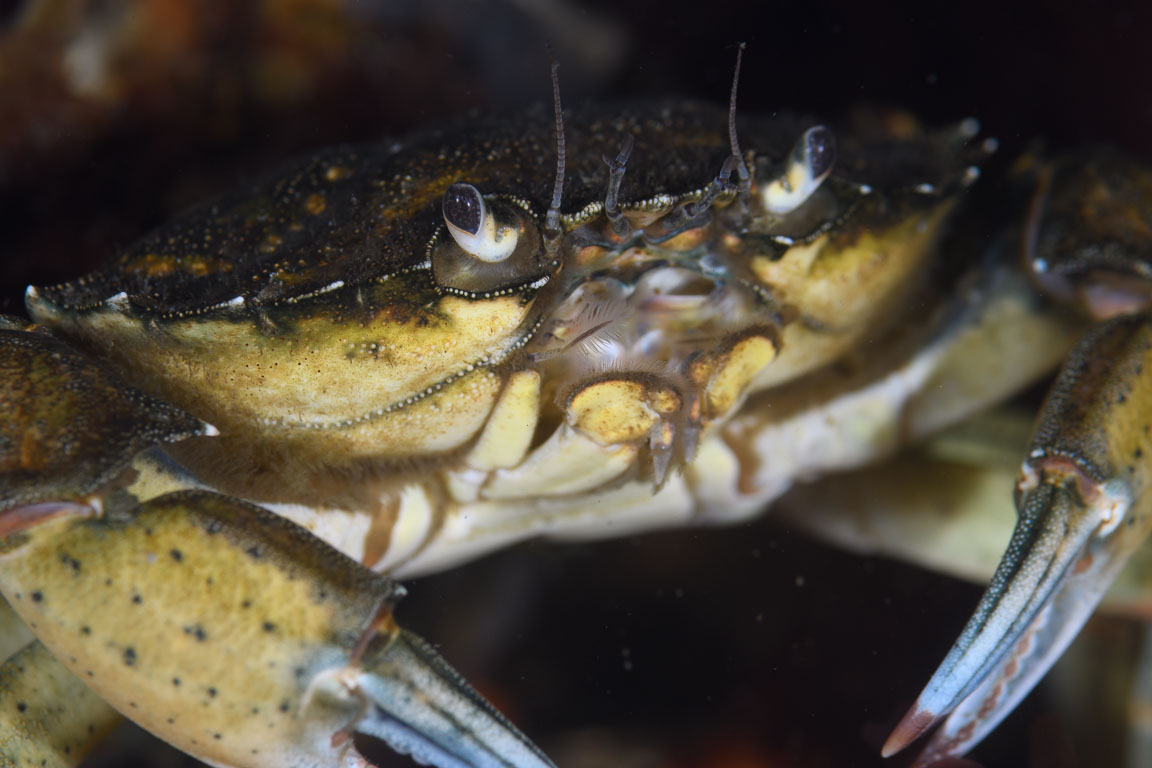
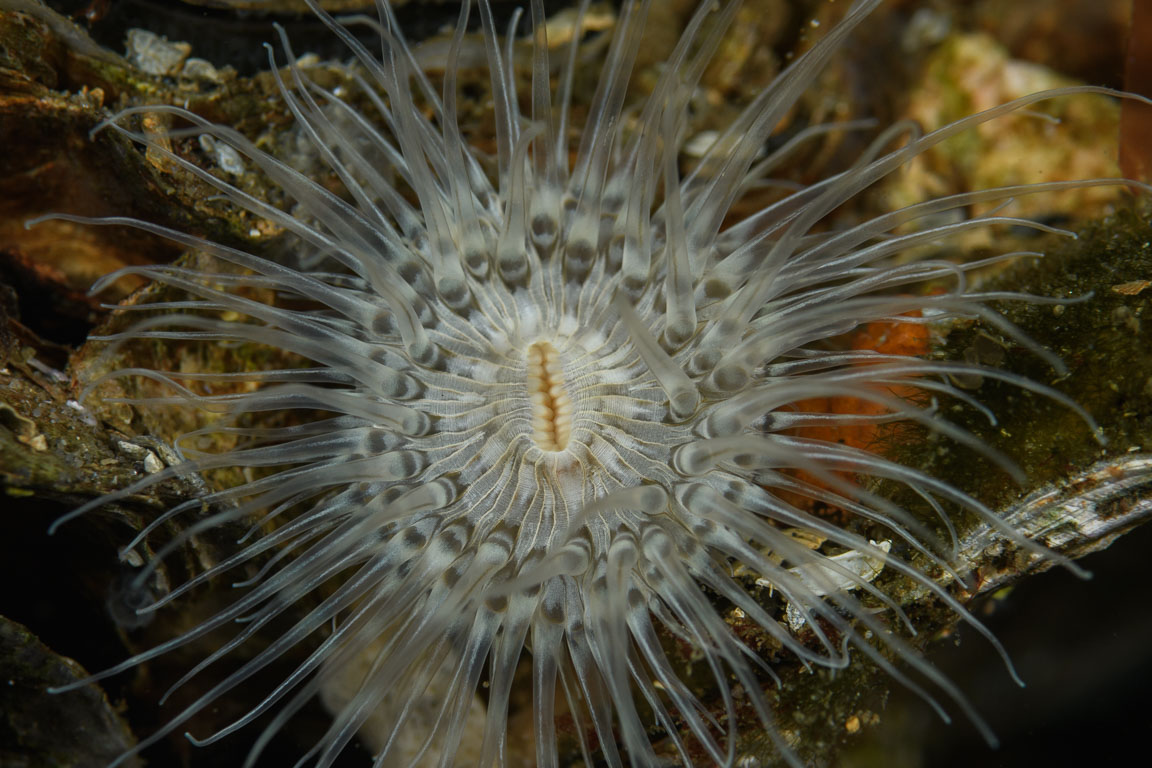
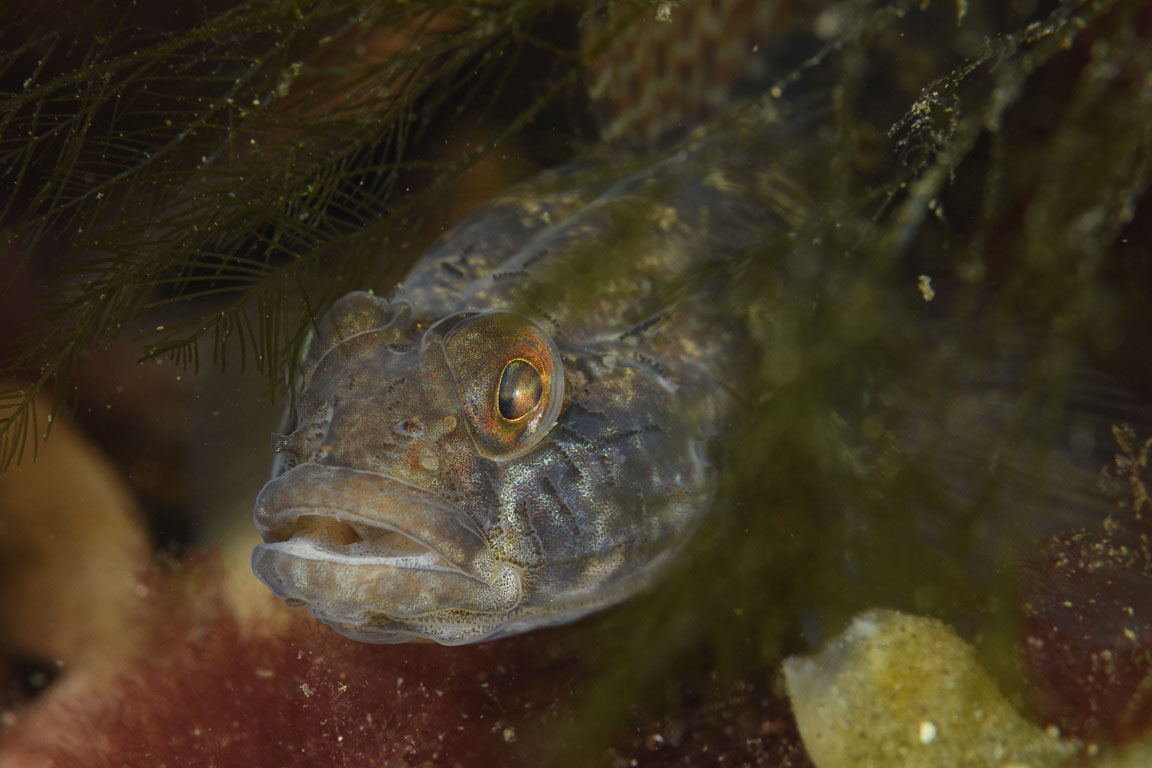
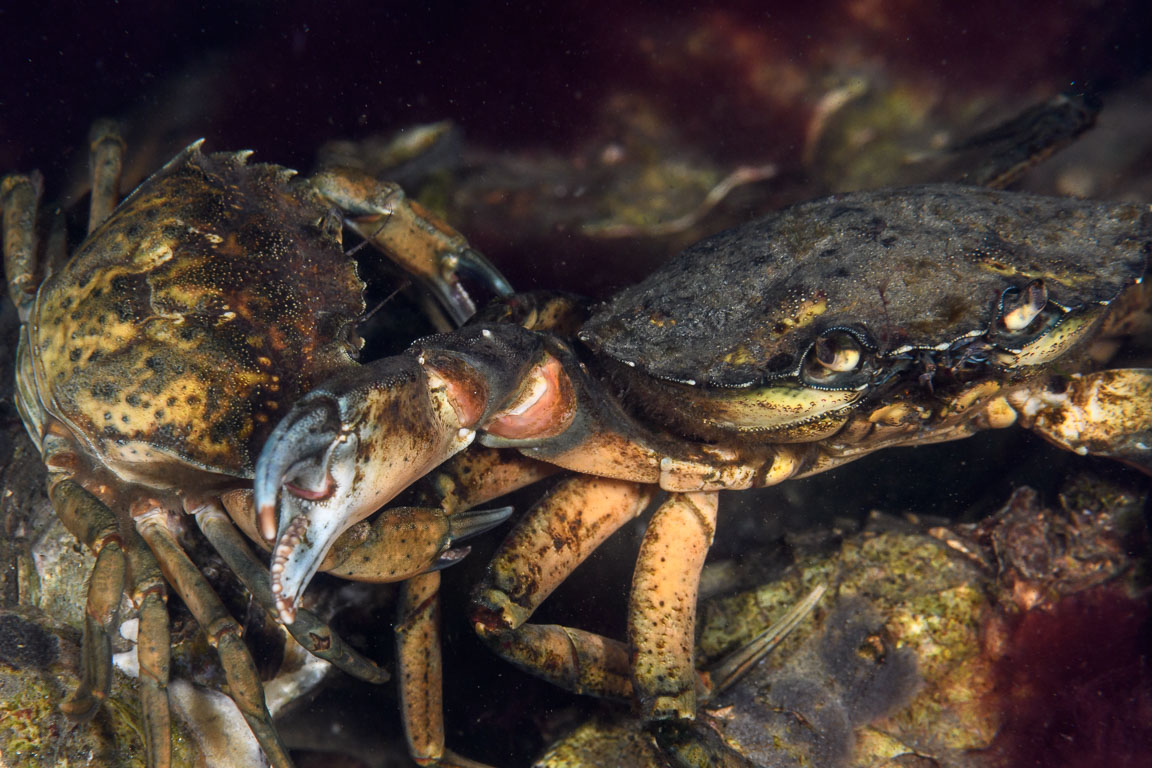
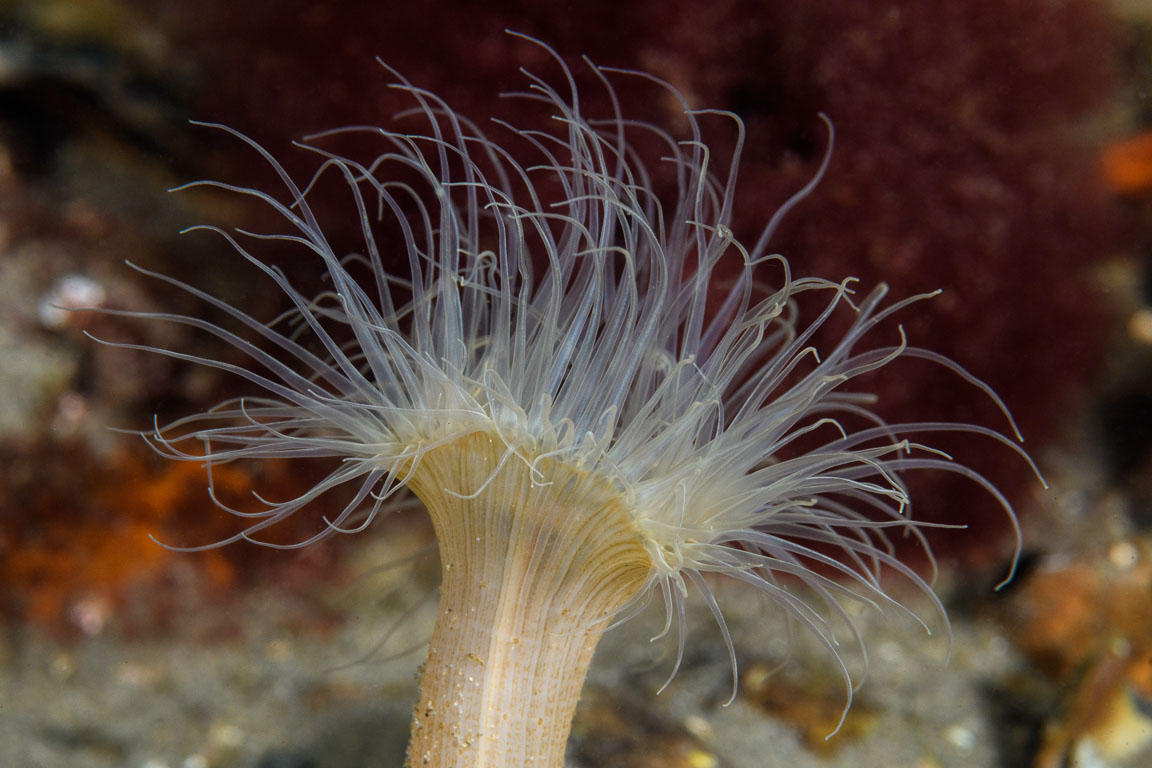
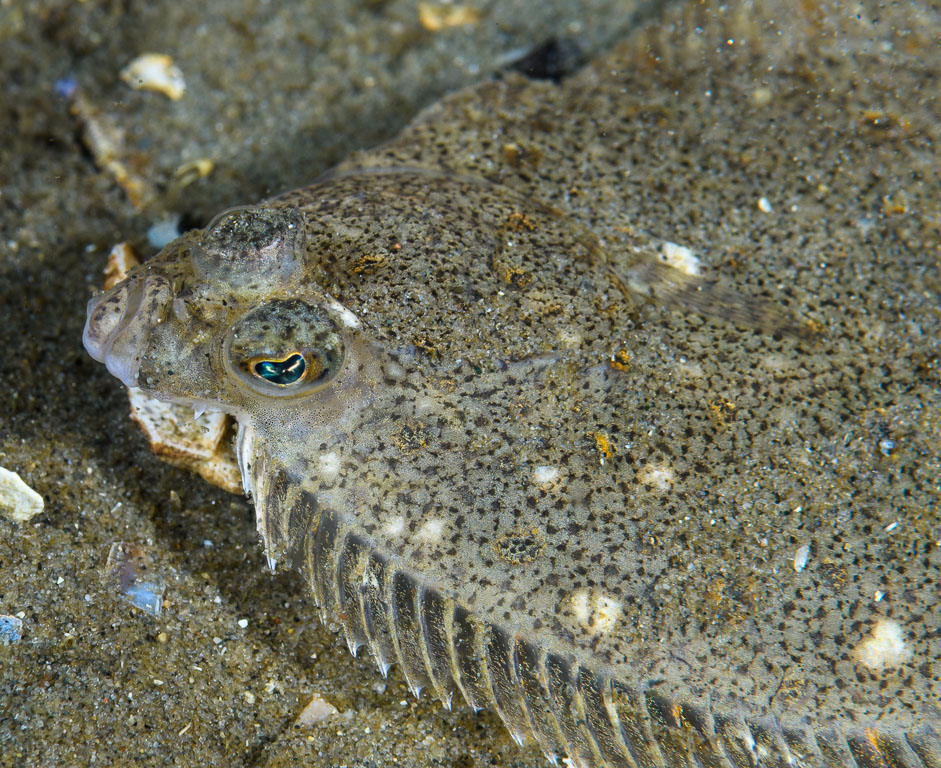
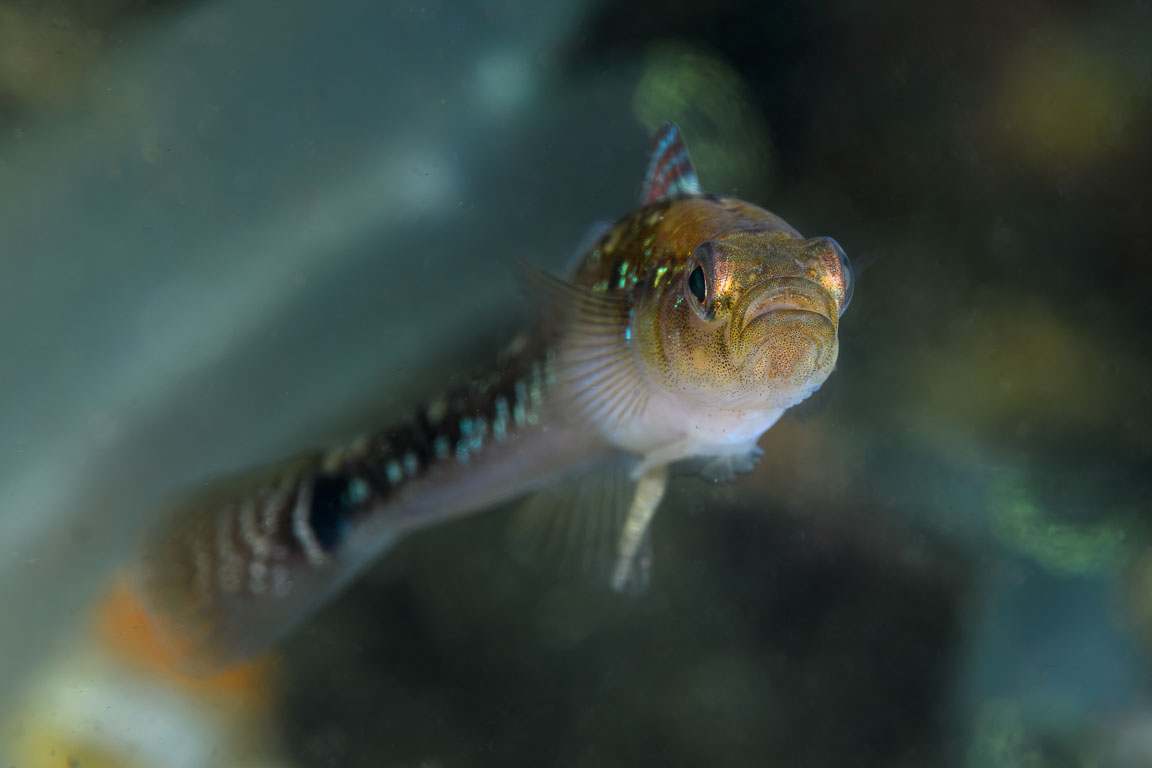
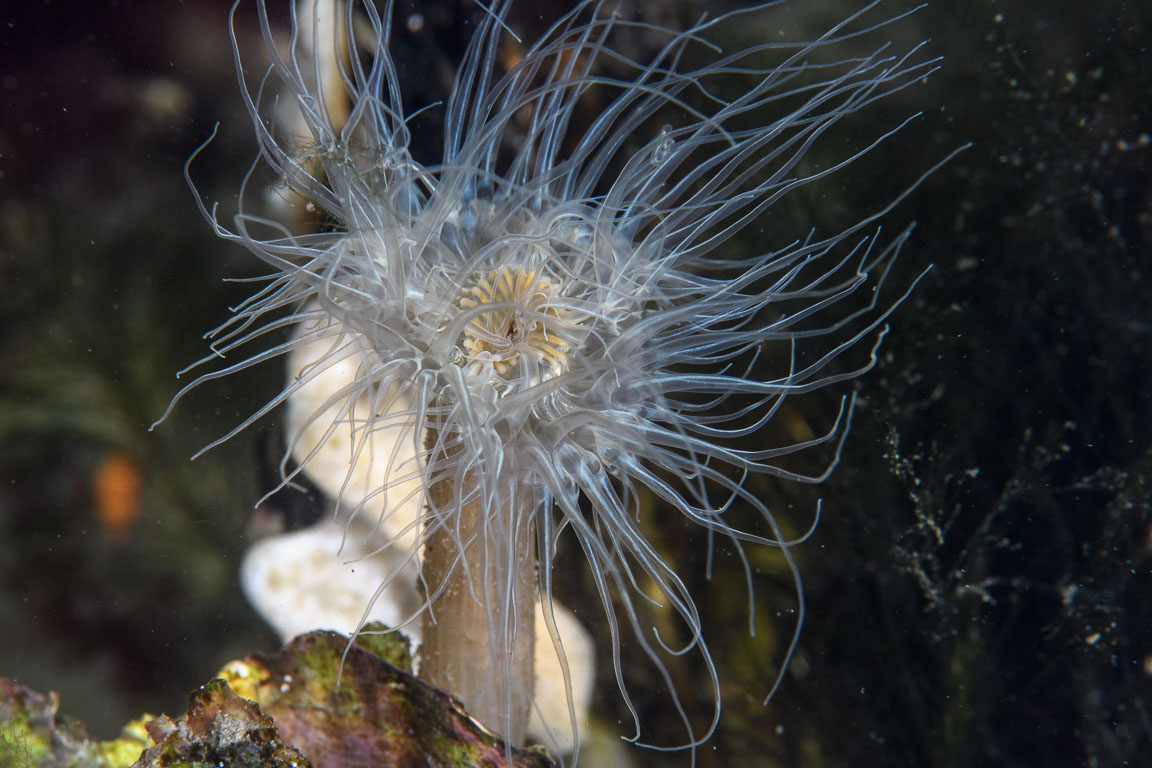
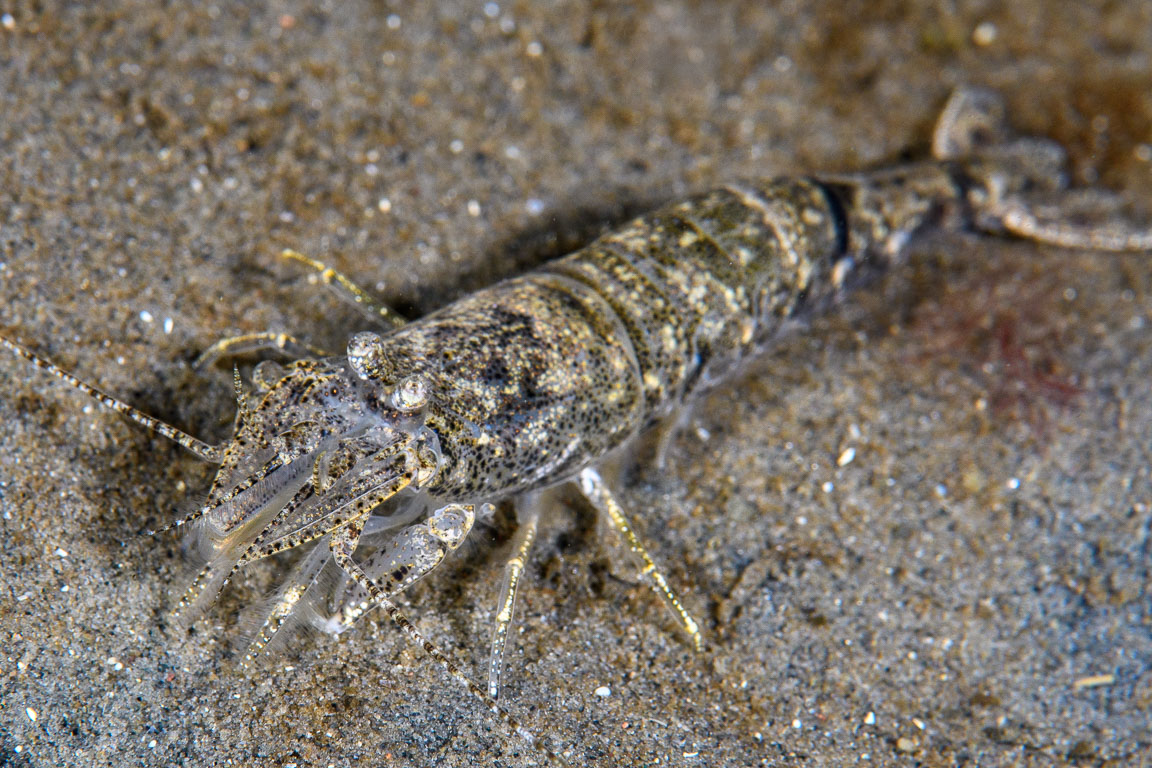
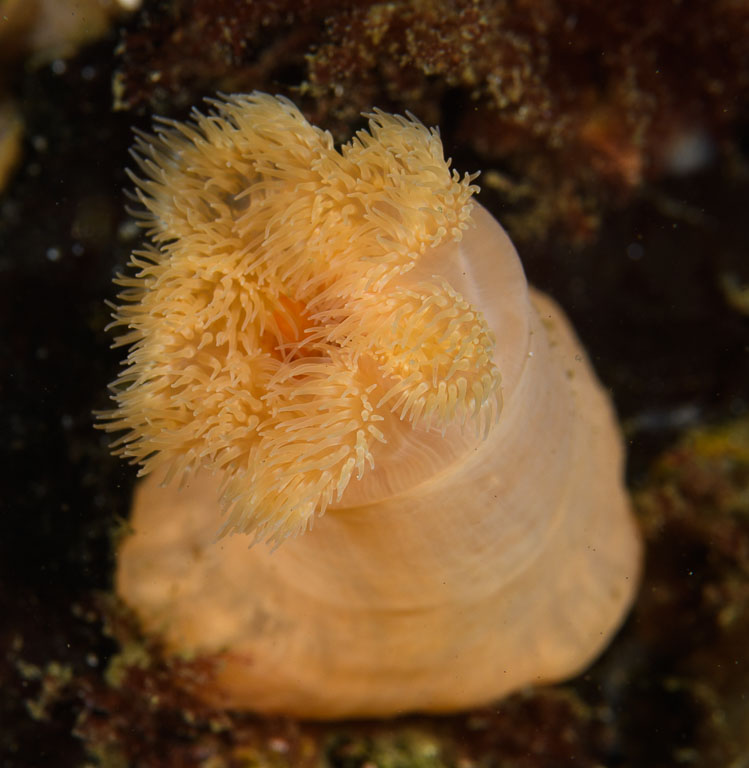
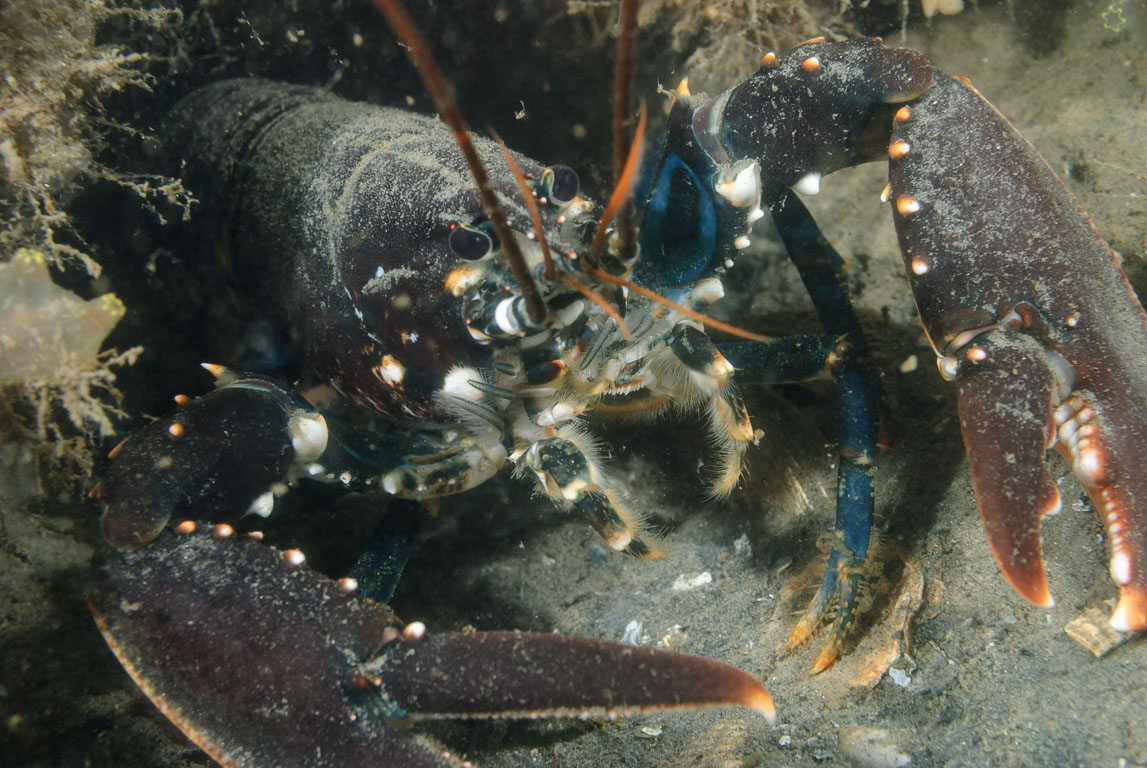
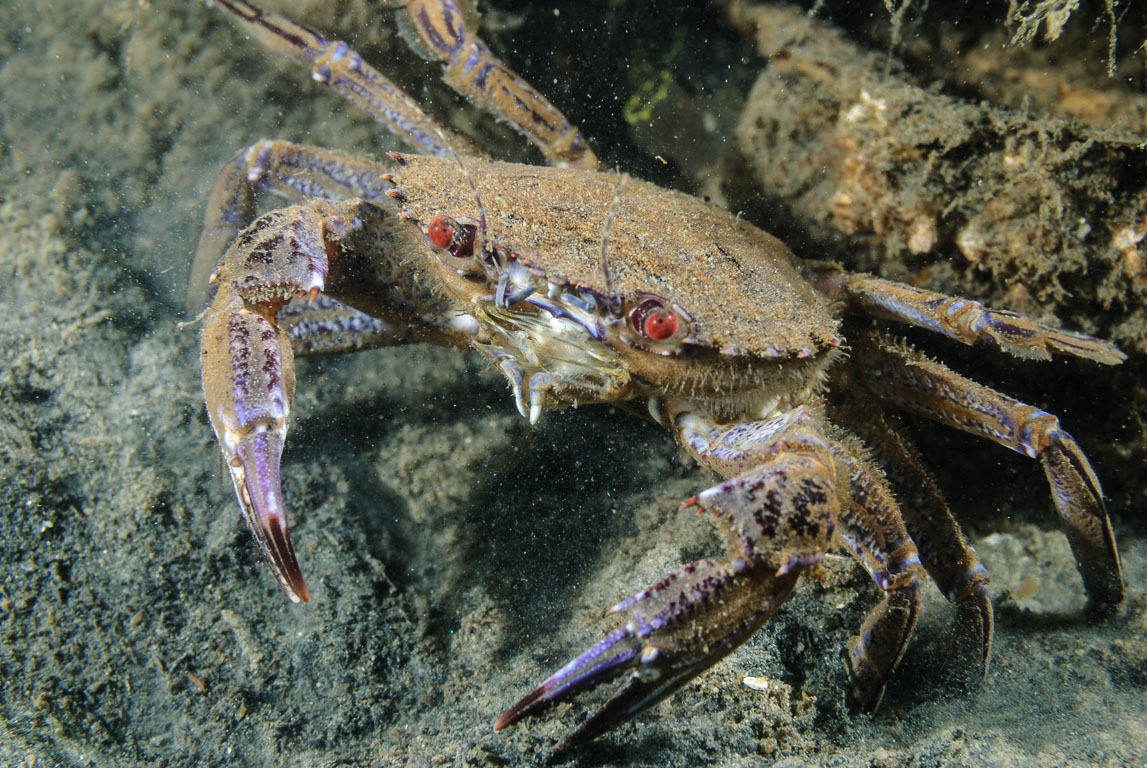
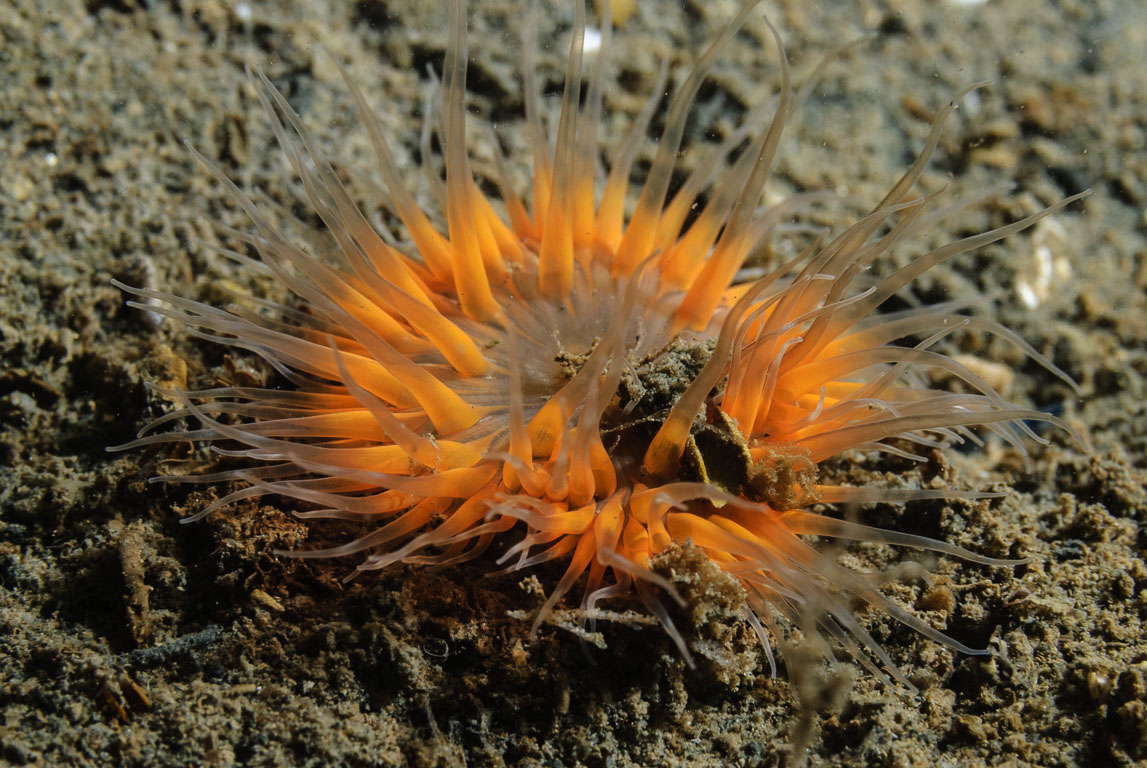
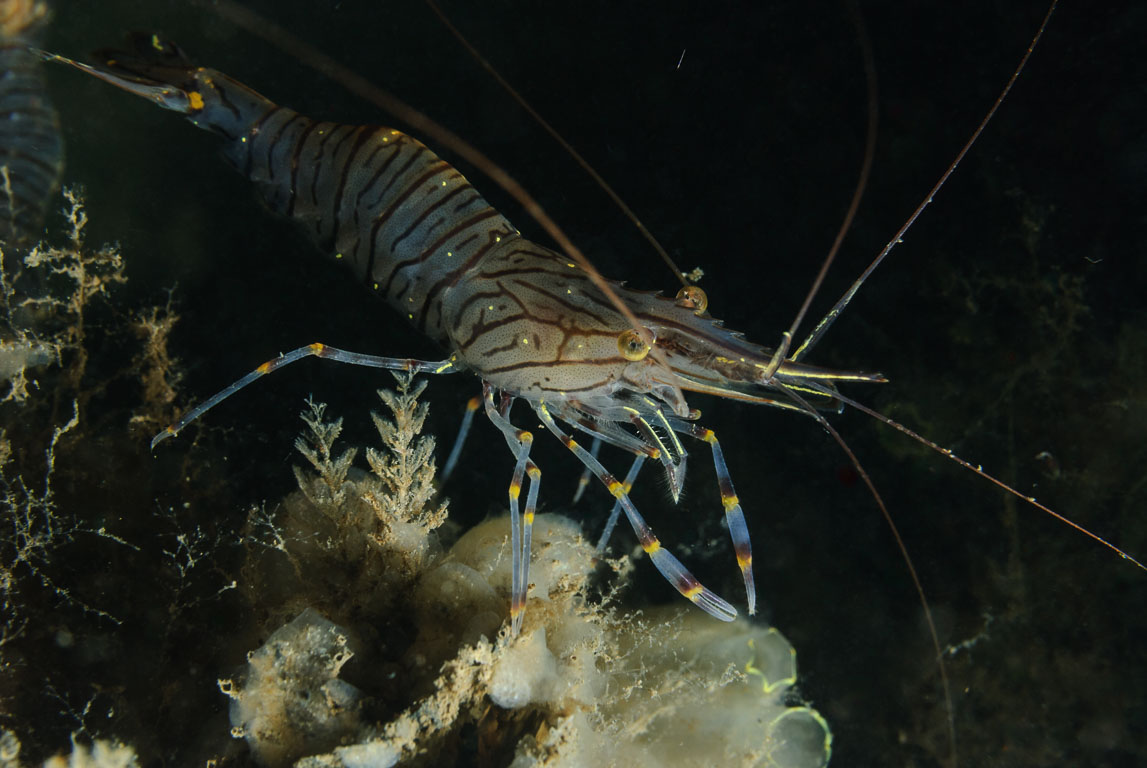
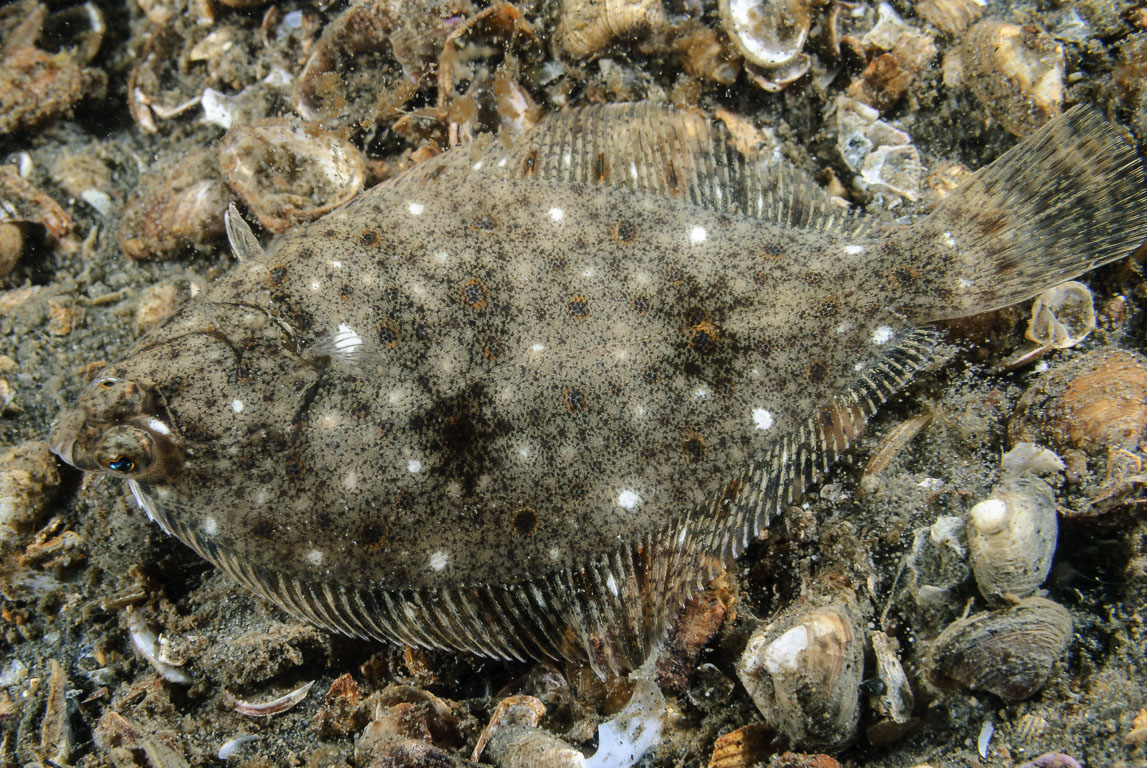
The underwater scenery is very different from tropical reefs, but the marine life is surprisingly diverse. The rocky dikes and artificial reefs are densely covered with anemones, sponges, sea squirts, hydroids and other invertebrates. Among the larger animals are lobsters, crabs, eels and pipefish, while nudibranchs and other small creatures provide plenty of subjects for macro photography. Visibility is usually limited, often only a few metres, although conditions can occasionally be considerably better.
There are numerous shore-diving sites around the lake, including Scharendijke, Den Osse and Dreischor. Many sites are easily accessible from the shore, and the absence of strong currents allows plenty of time to explore the reefs and structures at relatively shallow depths. Water temperatures vary from only a few degrees in winter to around 20–21°C in summer. The attraction of the Grevelingenmeer is not spectacular underwater scenery but the opportunity to explore a very different temperate marine ecosystem—and to discover how much life can be found when you take a closer look.