 Red
Cenotes Dive Sites Map
3 dive sites, 21 photos
Click the map to enable scroll-wheel zoom. Switch on “Water depth shading” and click anywhere for the approximate depth, “Seafloor relief” for sonar-surveyed areas, or “Nautical marks” (zoom in) for harbours, wrecks, buoys and lights. Depth data (GEBCO grid of roughly 450 m; GMRT only where ships have surveyed) and nautical marks (OpenSeaMap) are for orientation only, not for navigation or dive planning. Pin positions mark the start of the dive (boat anchor or entry point), not the exact spot underwater. Zoom out to see dive sites of other locations: grey pins are dive sites without photos, flags are dive centers. Pale pins show an approximate position (nearby dive center or dive area).
Cenotes in Cuba
When divers think of cenotes, the Yucatán Peninsula in Mexico usually comes to mind. However, Cuba also has a number of fascinating cenotes and flooded cave systems, particularly in the Bahía de Cochinos (Bay of Pigs) region on the island's southern coast.
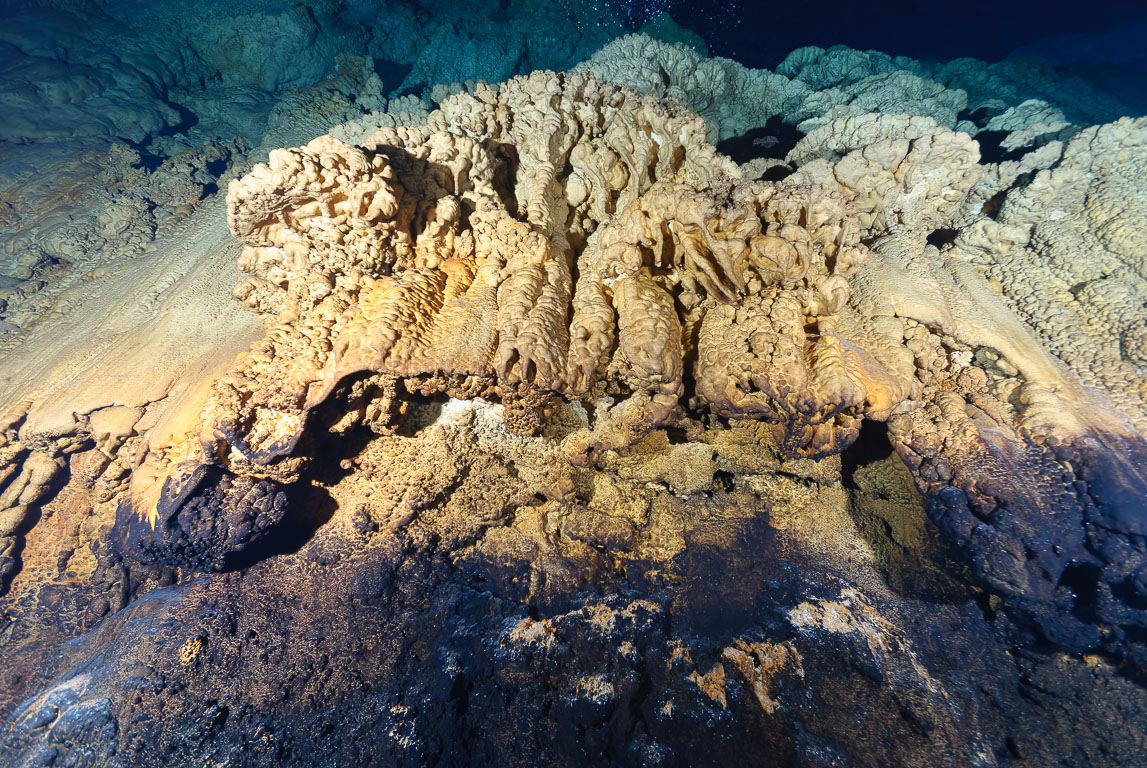
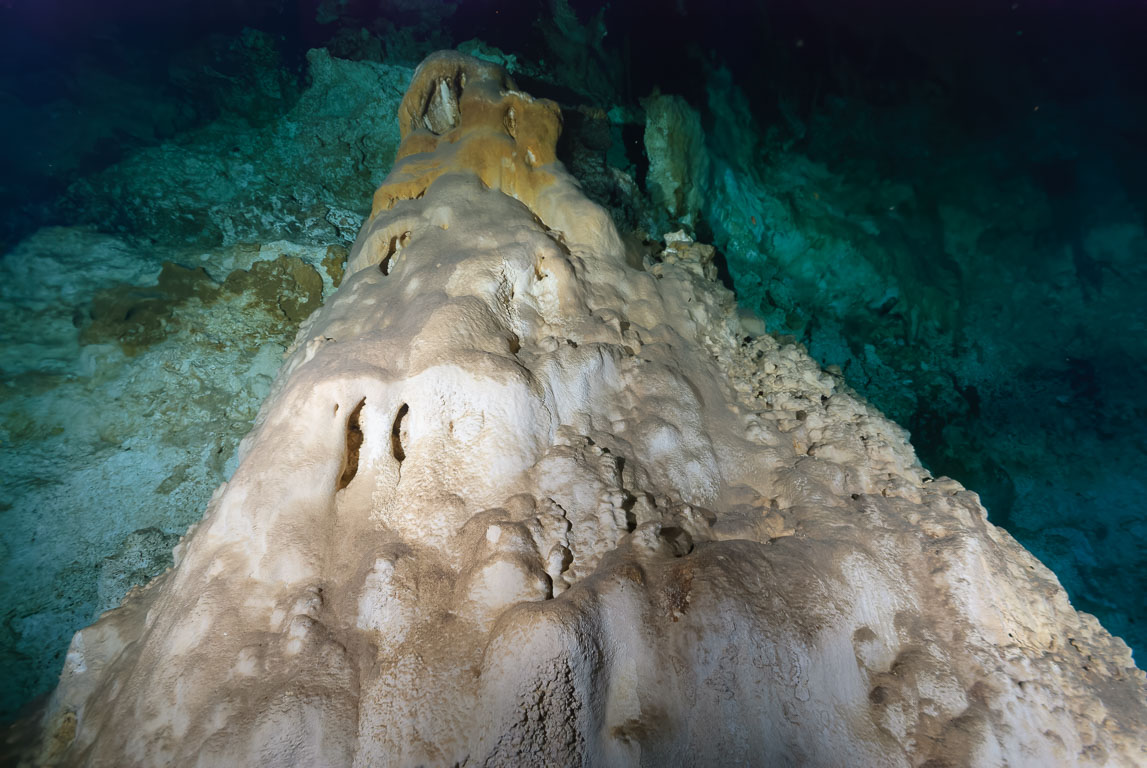
Some of the best-known sites include Cueva de los Peces, El Brinco Cave, 35 Aniversario Cave, and Susana Cave. These freshwater sinkholes and caverns are connected to an extensive underground karst system and offer a completely different diving experience from the nearby coral reefs.
Diving in the Cuban cenotes is generally not offered as part of the regular programs of local dive centres. Access is usually arranged through experienced local cave divers. Although many sections can be explored as cavern dives, cave and cavern diving always require appropriate training, specialized equipment, and strict adherence to established safety procedures.
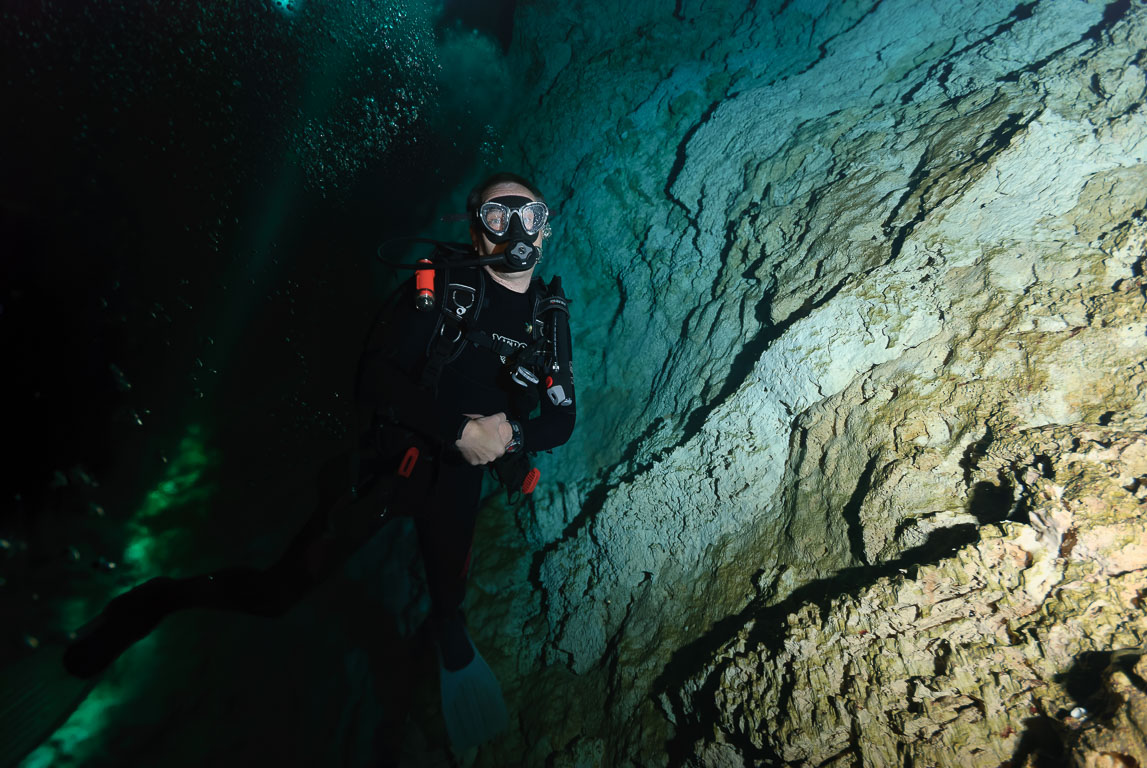
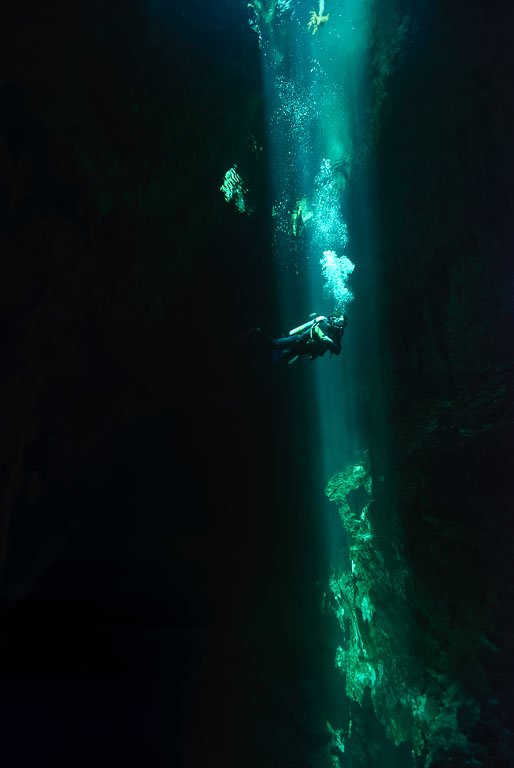
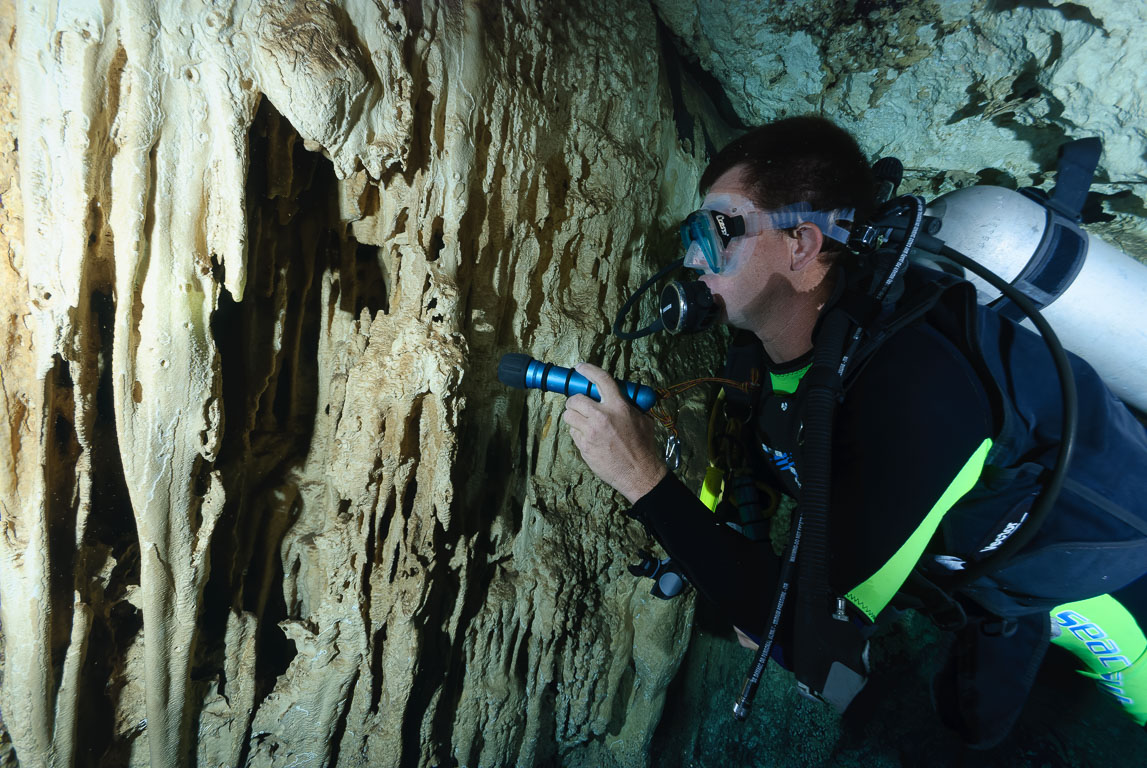
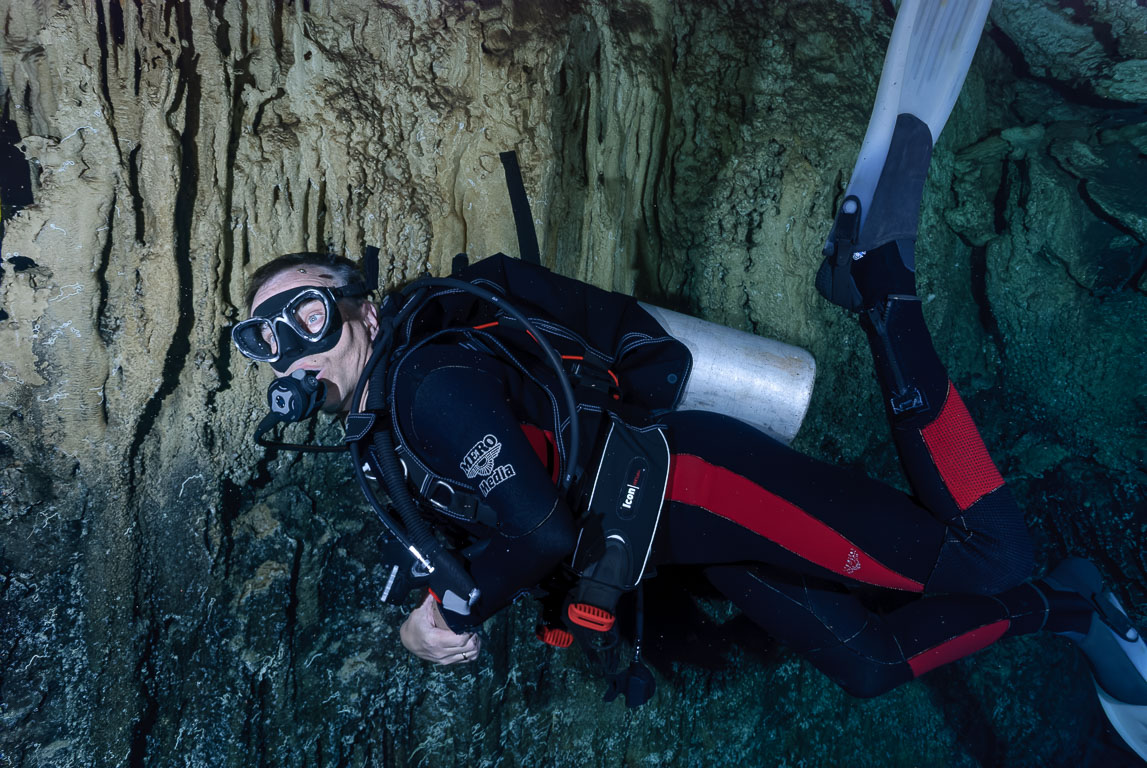
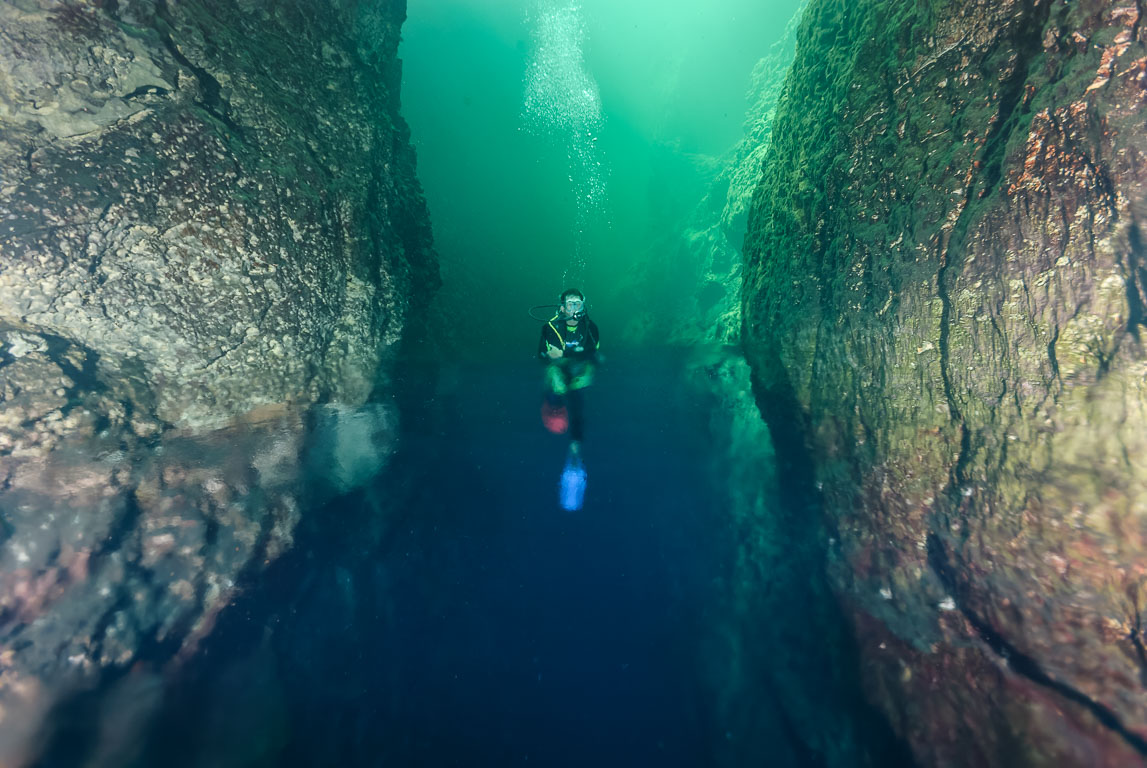
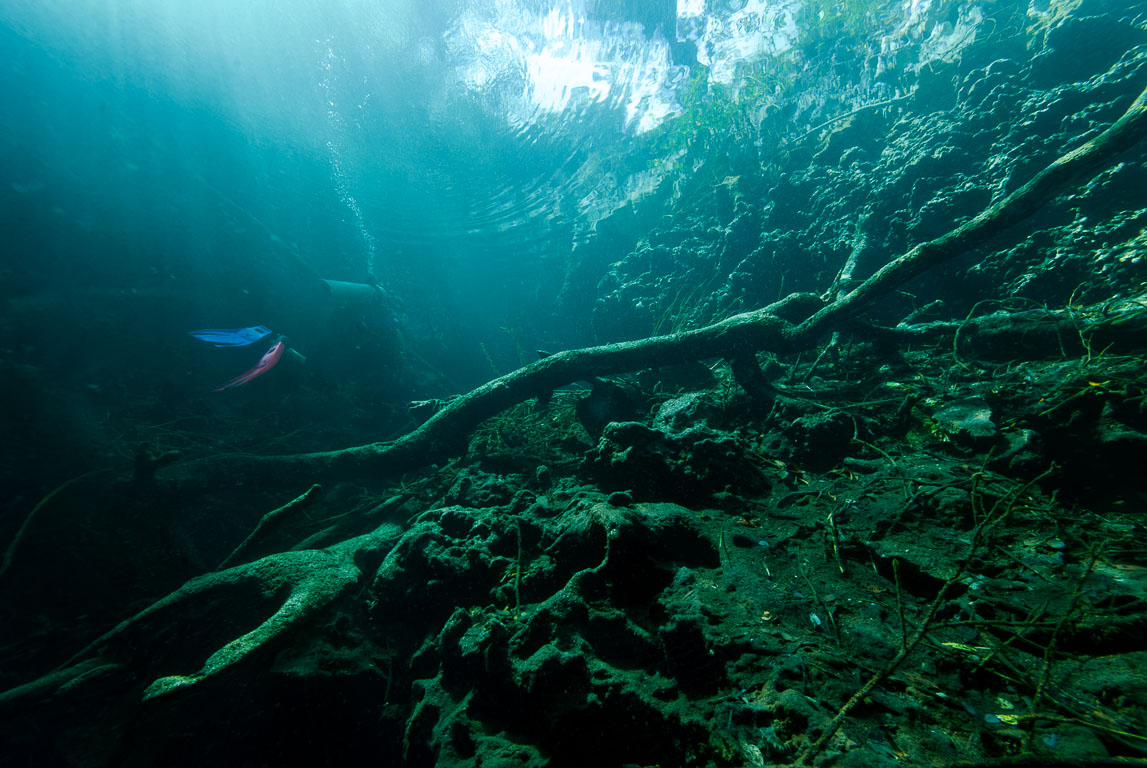
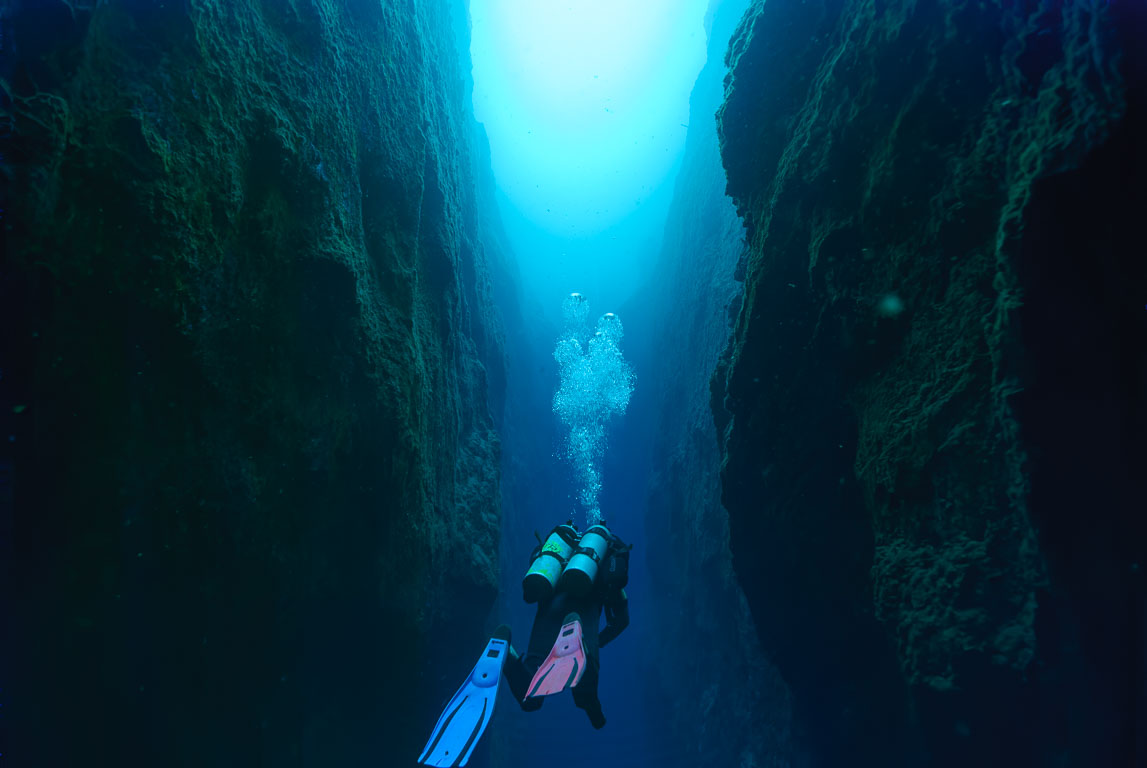
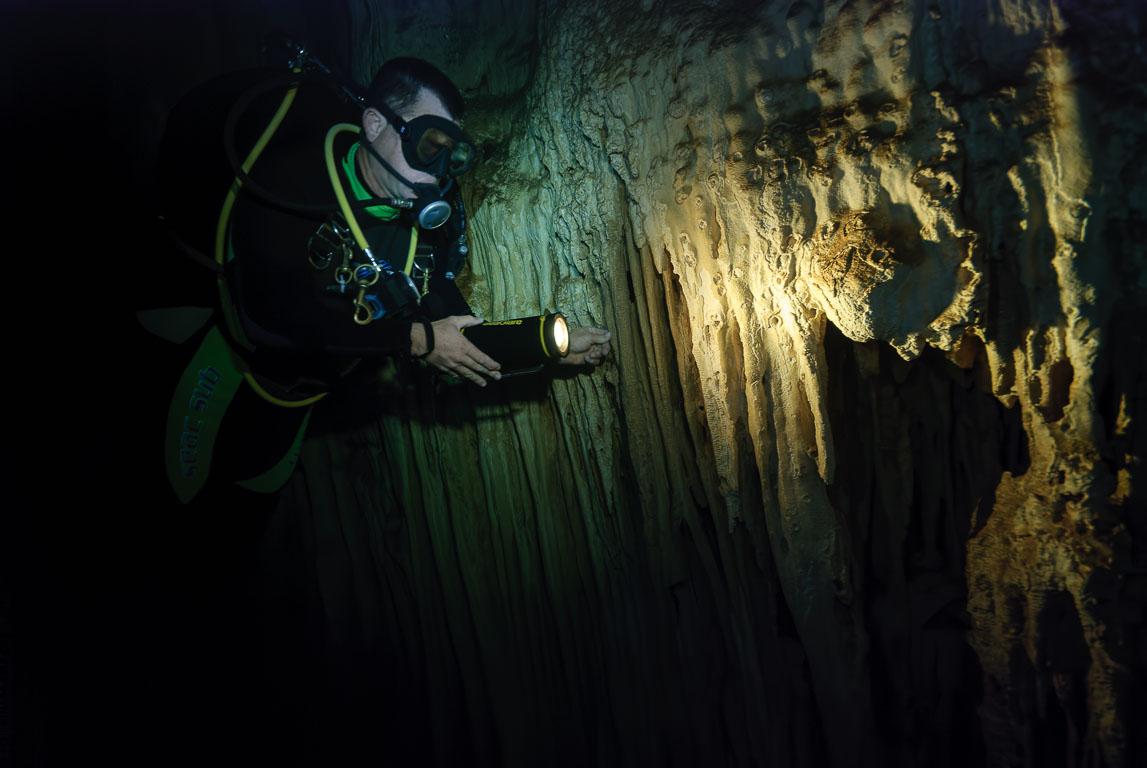
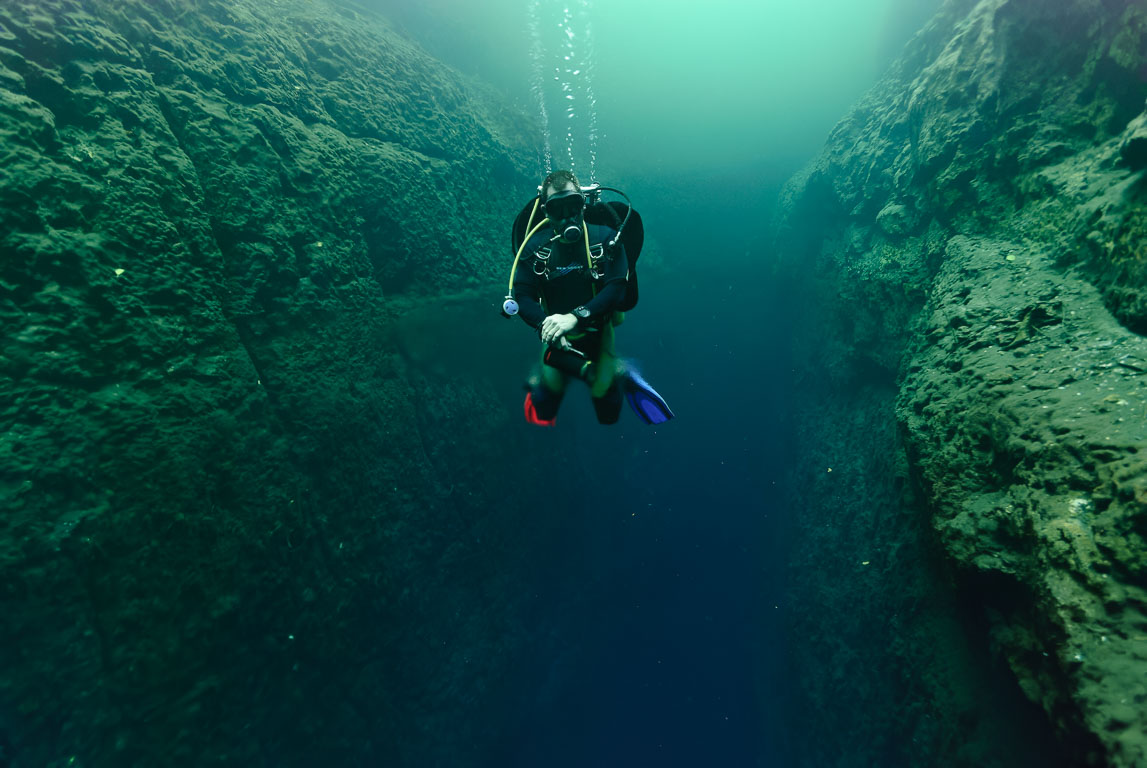
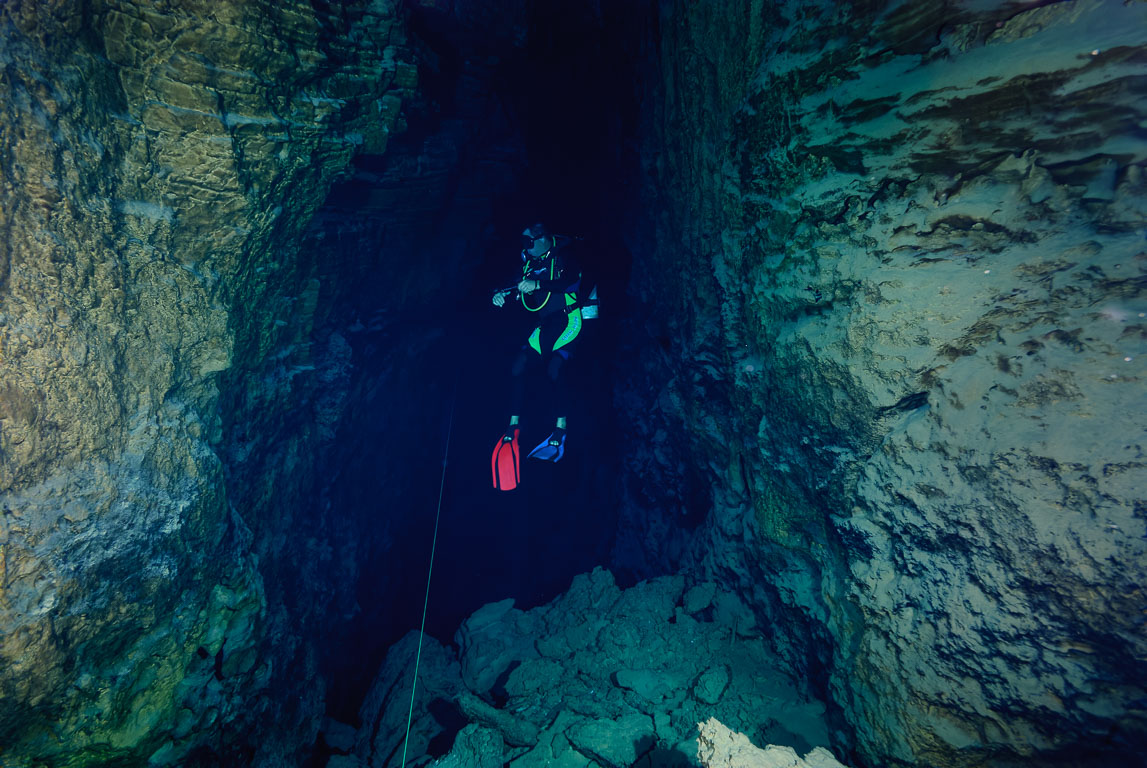
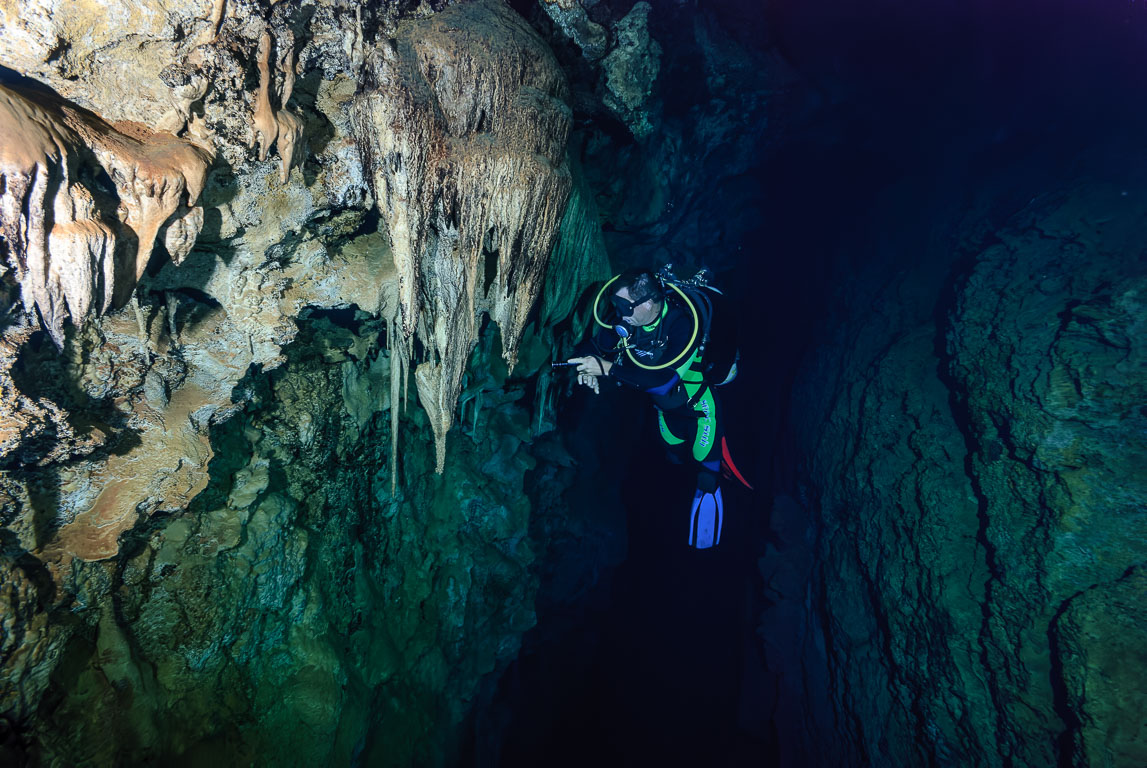
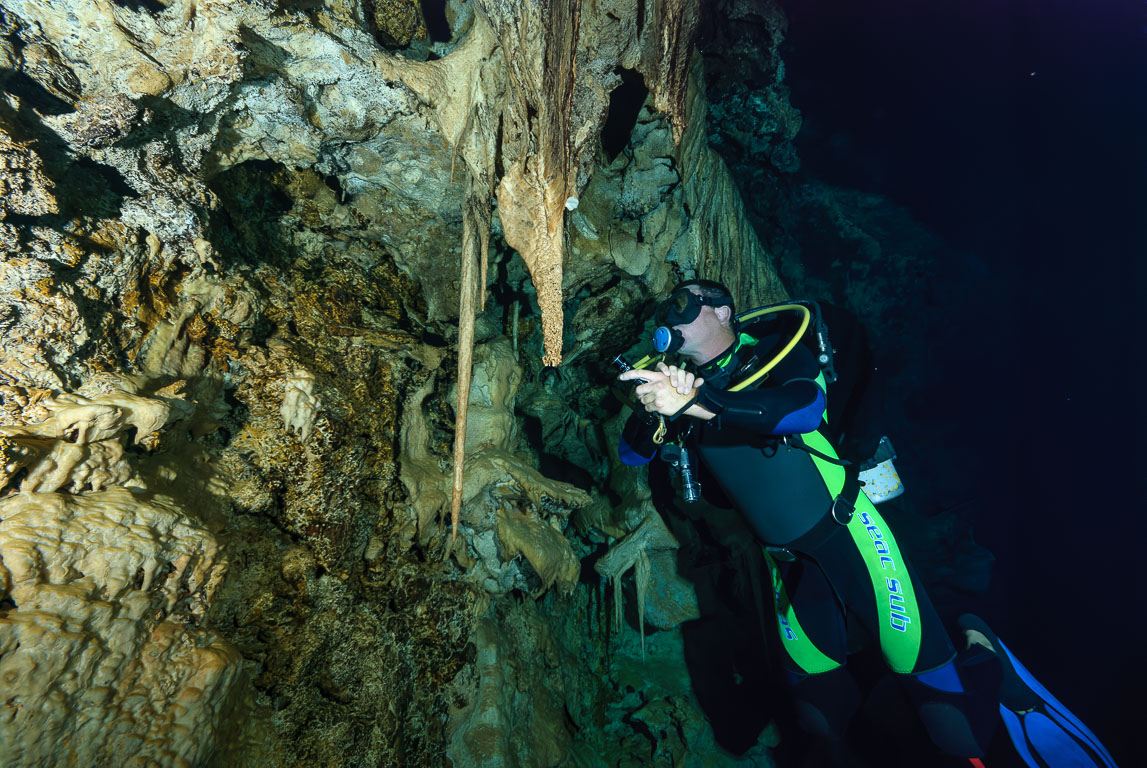
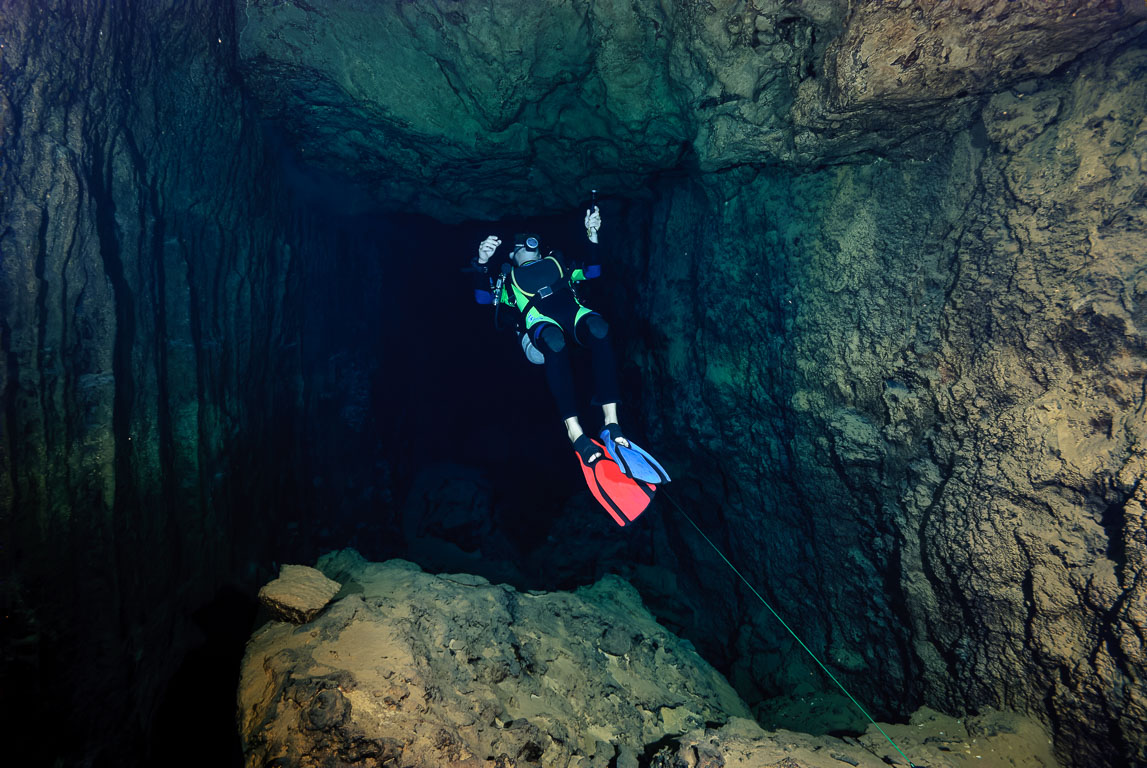
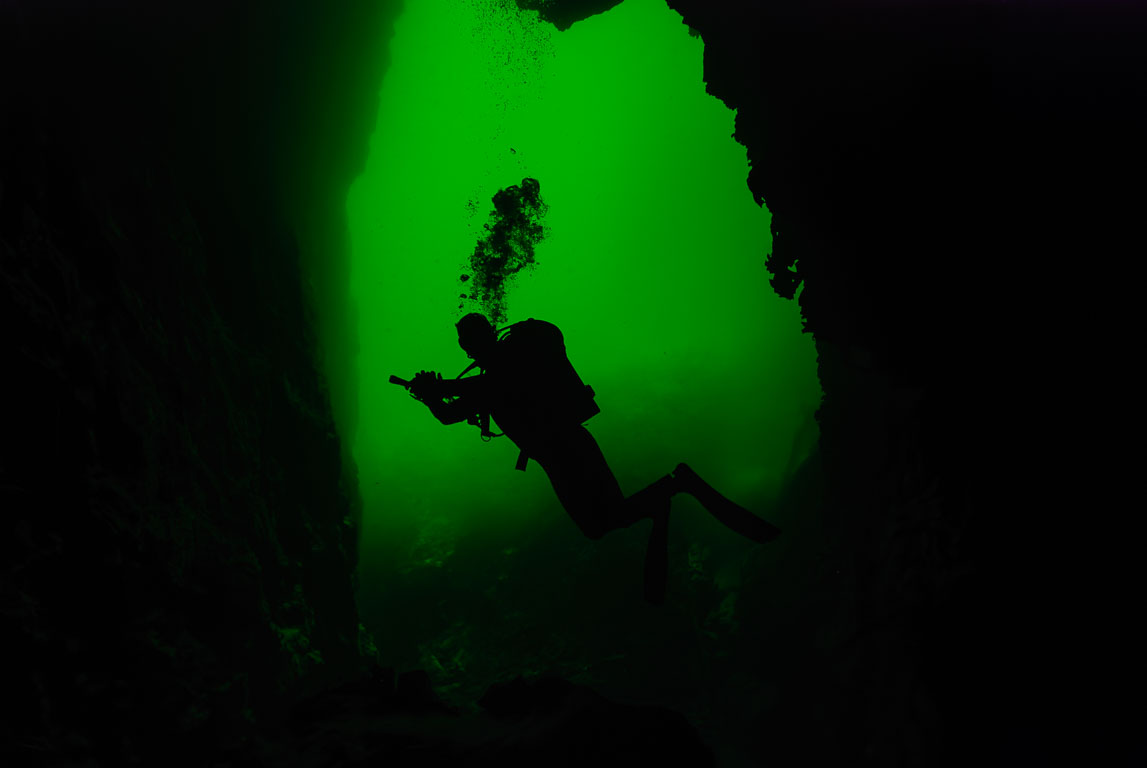
All dives shown in this gallery were conducted as cavern dives, meaning that natural daylight remained visible throughout the dive. I explored these sites in a buddy team with an experienced local cave-diving instructor who knows the Bay of Pigs cave systems in remarkable detail.
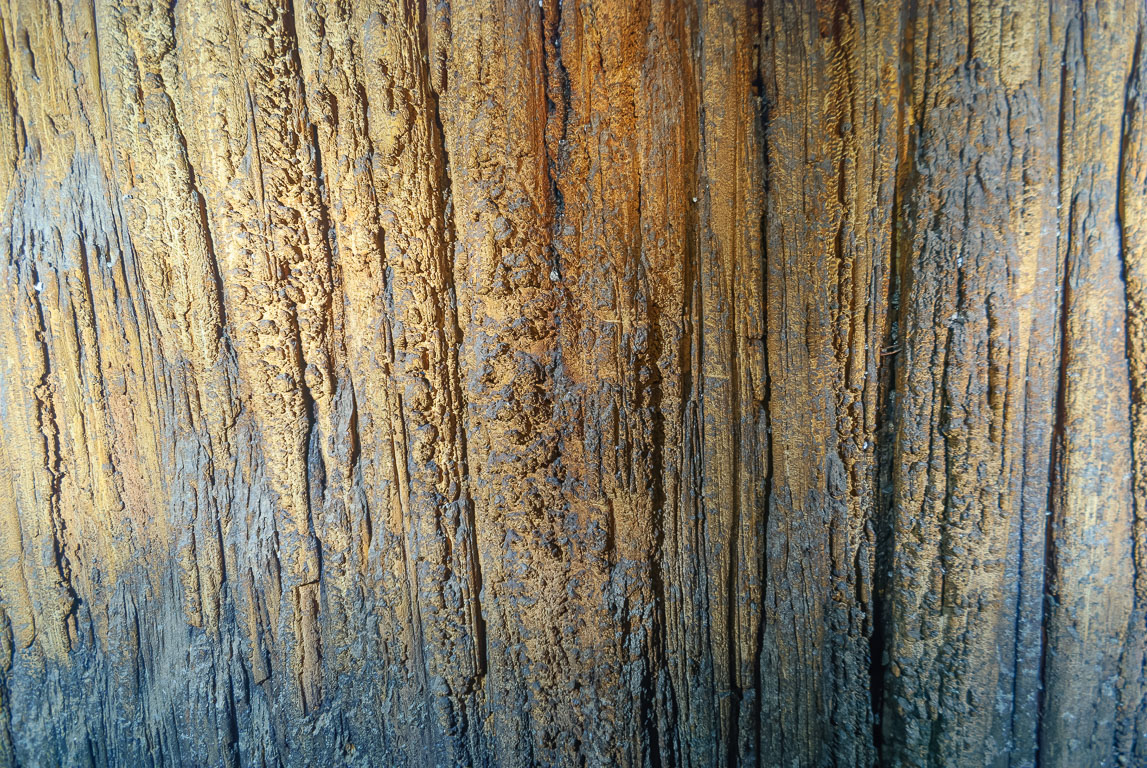
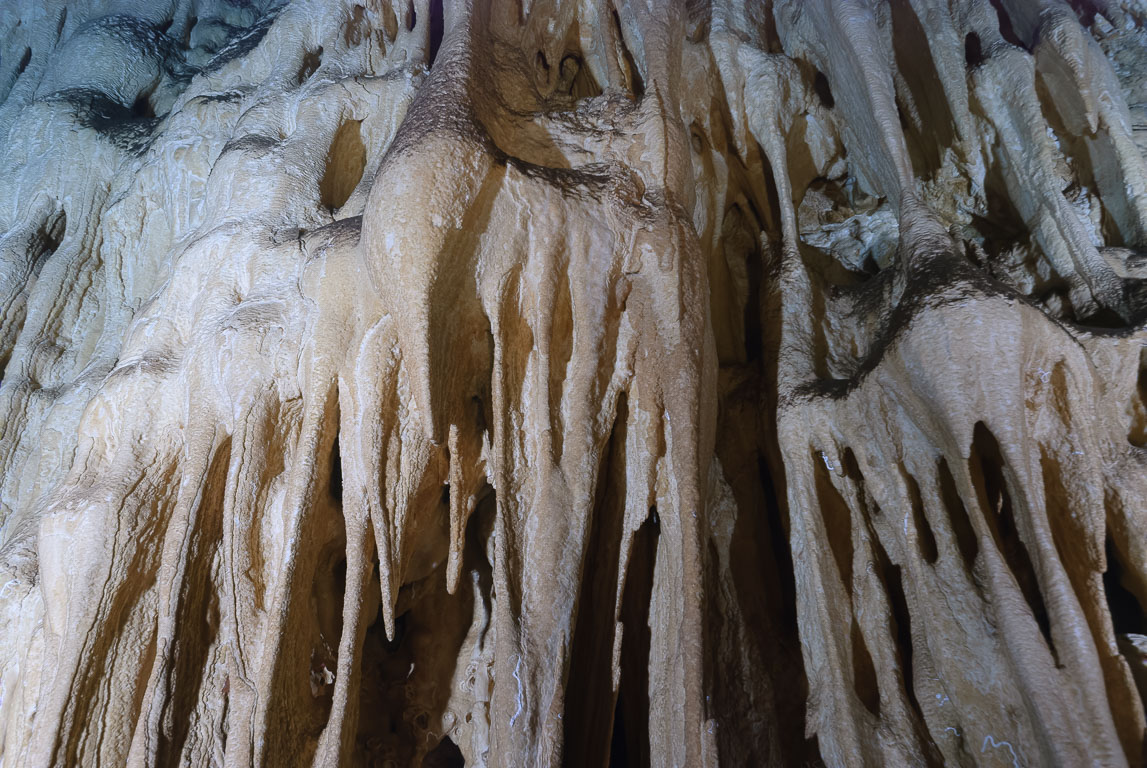
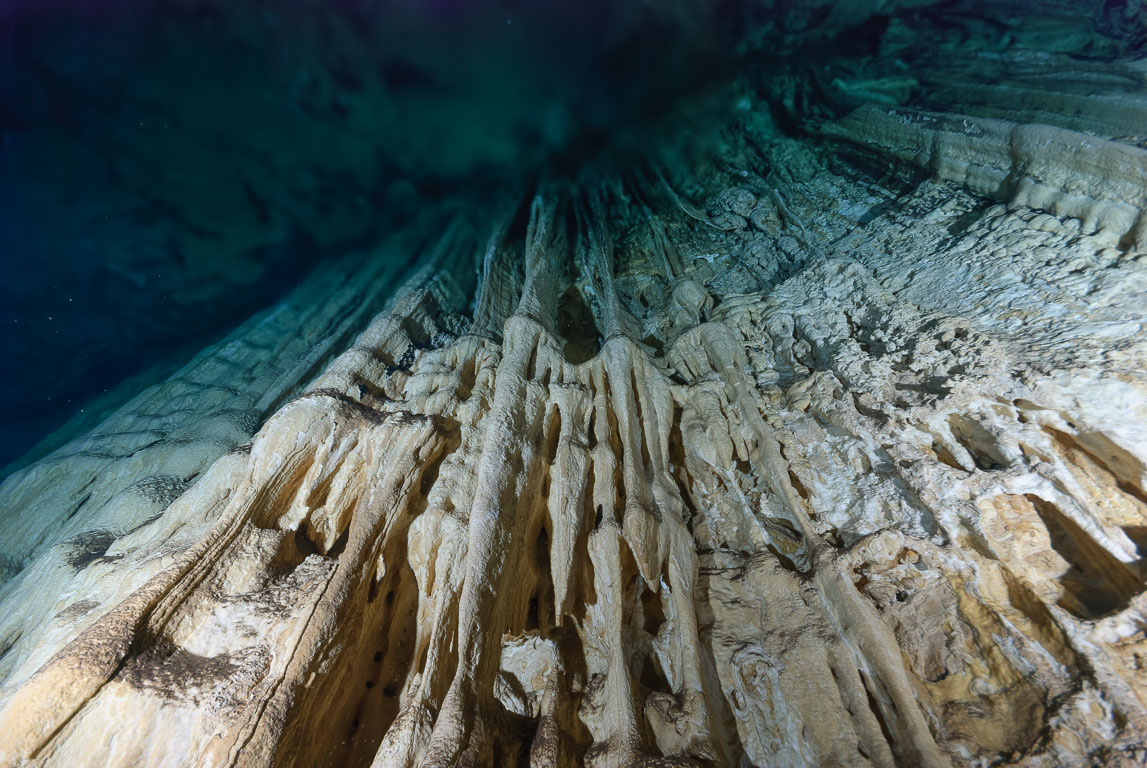
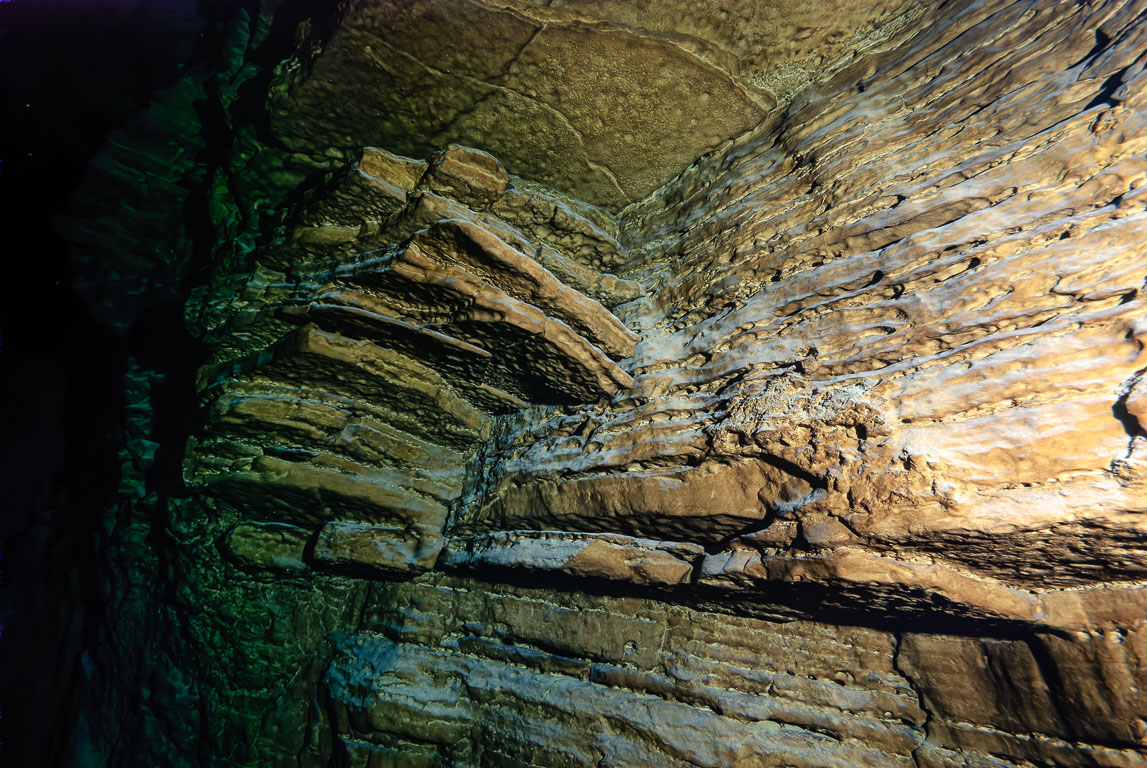
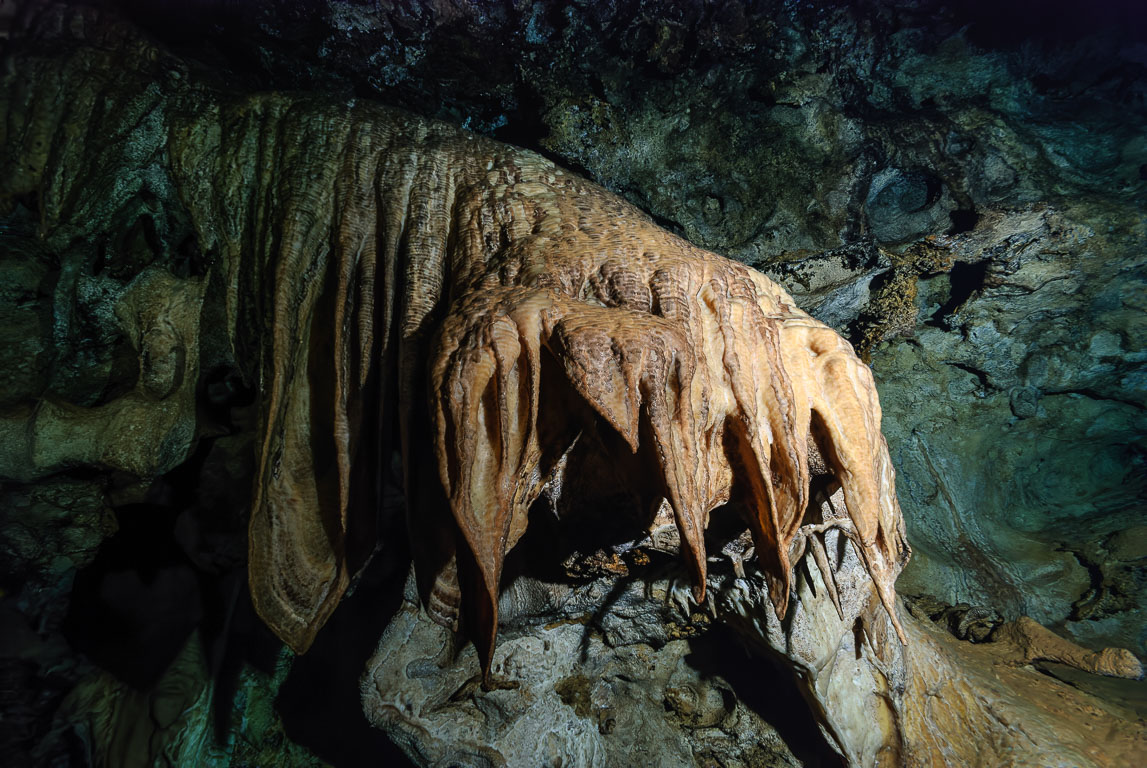
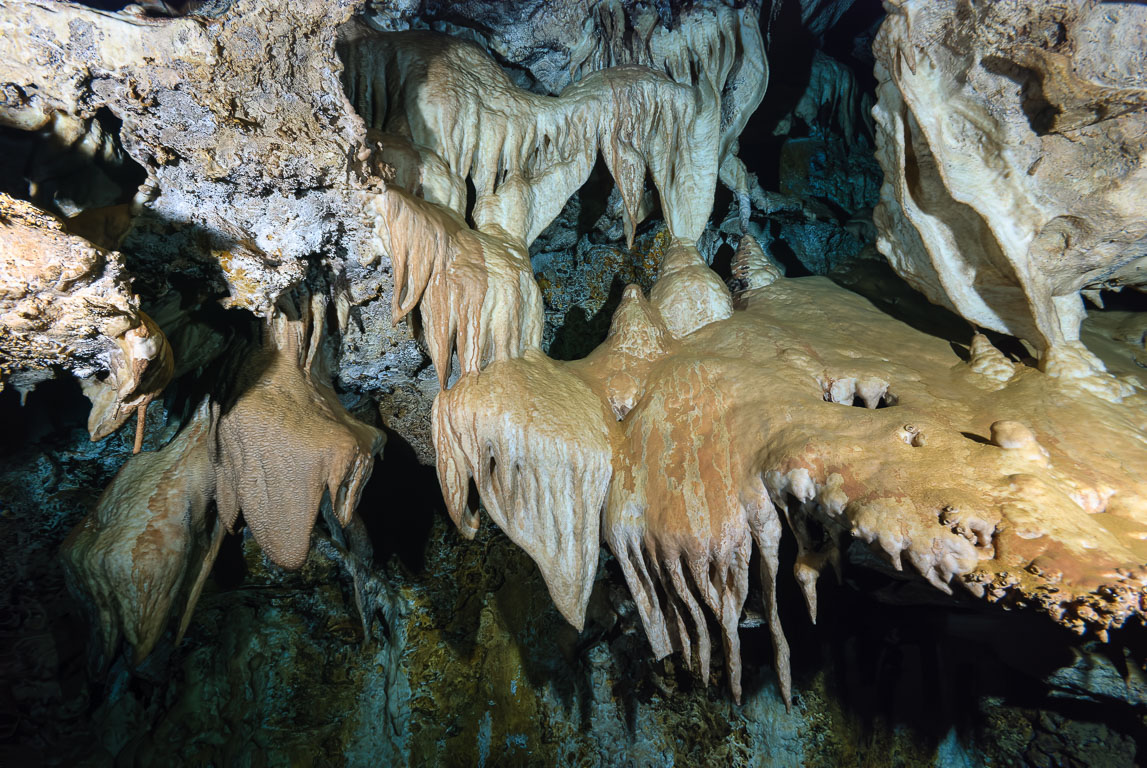
The photographs in this album were taken during dives in 2009 and 2010 in El Brinco Cave, 35 Aniversario Cave, and Susana Cave. I also dived Cueva de los Peces, one of Cuba's best-known cenotes, although I did not take any photographs there.
For many years, the most comprehensive guide to Cuban cave diving was Peter Dietz's Höhlentauchführer in Kuba (available in German only). Although the book is now difficult to obtain, it remains an excellent reference for divers interested in Cuba's flooded cave systems.