Rhode Island 2016 Dive Sites Map
1 dive site, 12 photos
Click the map to enable scroll-wheel zoom. Switch on “Water depth shading” and click anywhere for the approximate depth, “Seafloor relief” for sonar-surveyed areas, or “Nautical marks” (zoom in) for harbours, wrecks, buoys and lights. Depth data (GEBCO grid of roughly 450 m; GMRT only where ships have surveyed) and nautical marks (OpenSeaMap) are for orientation only, not for navigation or dive planning. Pin positions mark the start of the dive (boat anchor or entry point), not the exact spot underwater. Zoom out to see dive sites of other locations: grey pins are dive sites without photos, flags are dive centers. Pale pins show an approximate position (nearby dive center or dive area).
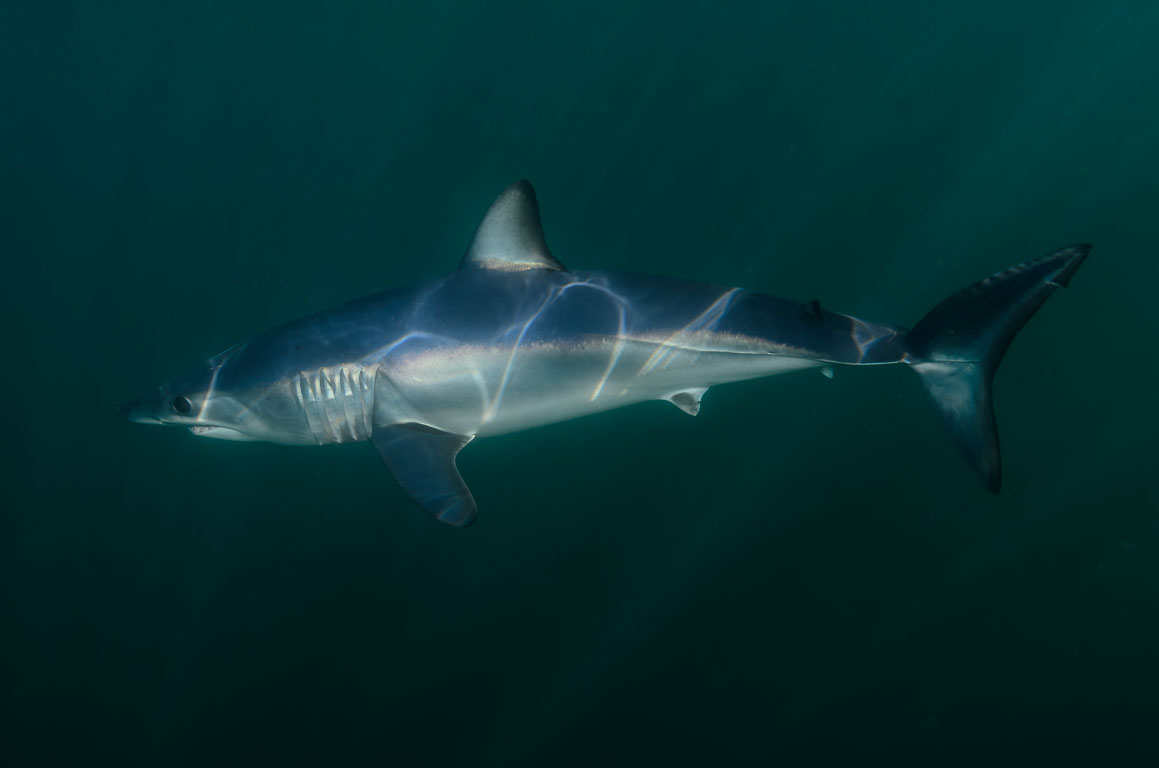
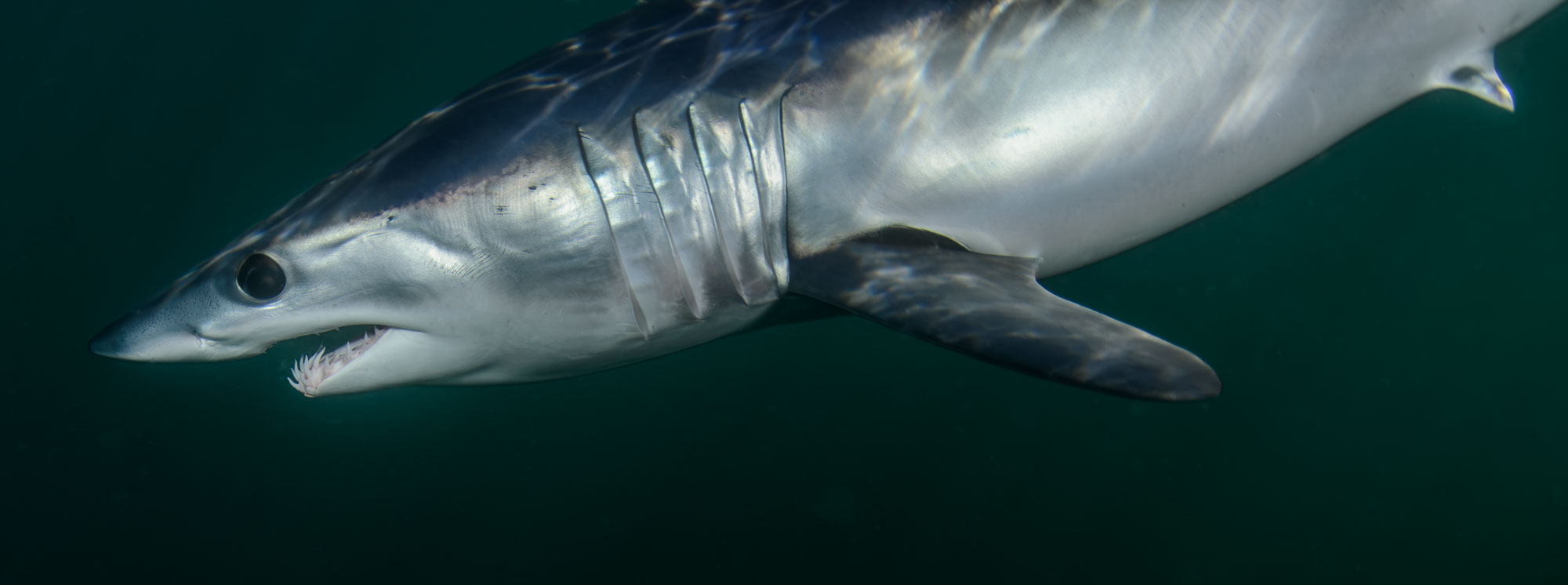
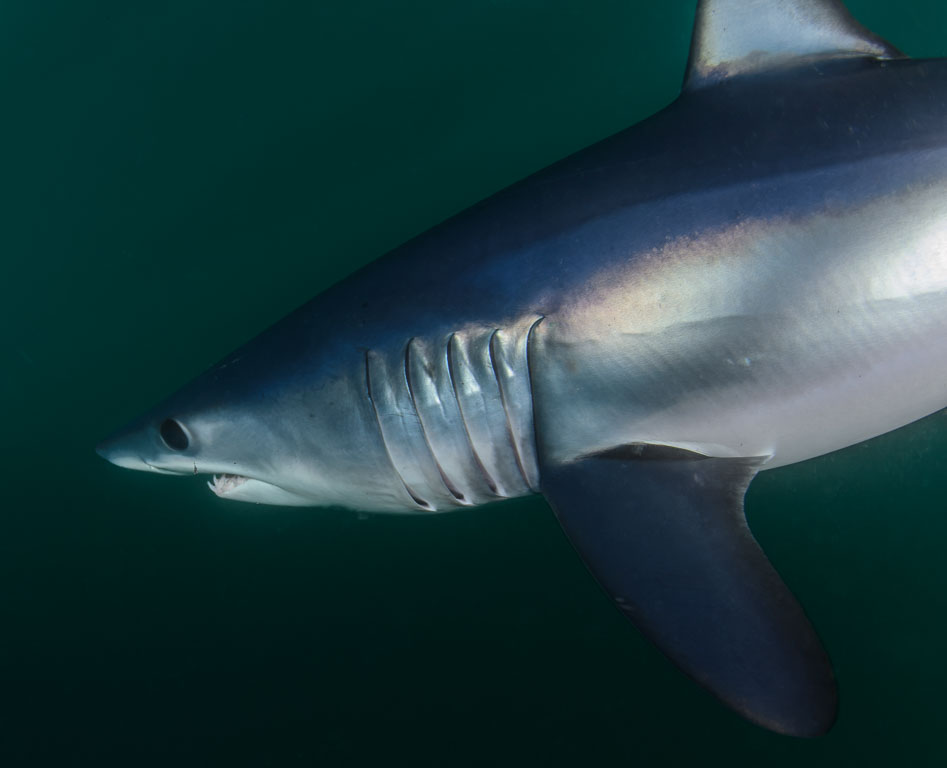
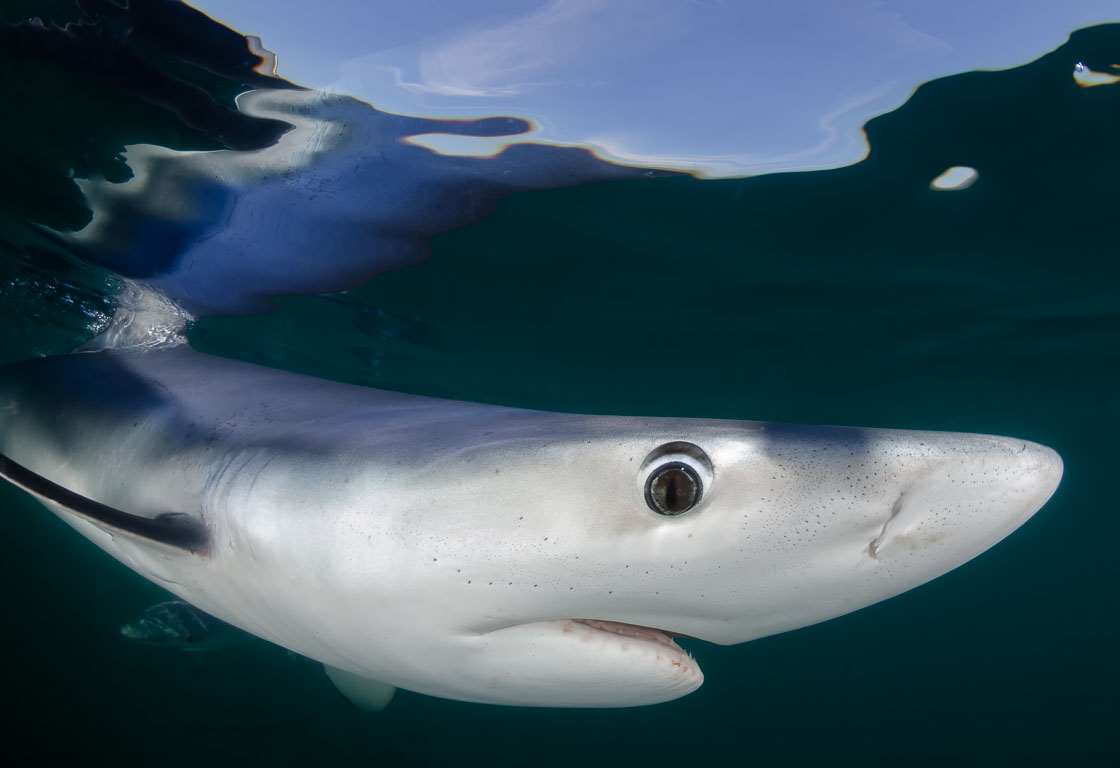
Mako and Blue Sharks
During the trip, the first shark observed was not a blue shark, but a shortfin mako shark. The shortfin mako is considered one of the fastest sharks in the ocean and is capable of reaching speeds of more than 70 km/h, or 43 mph.
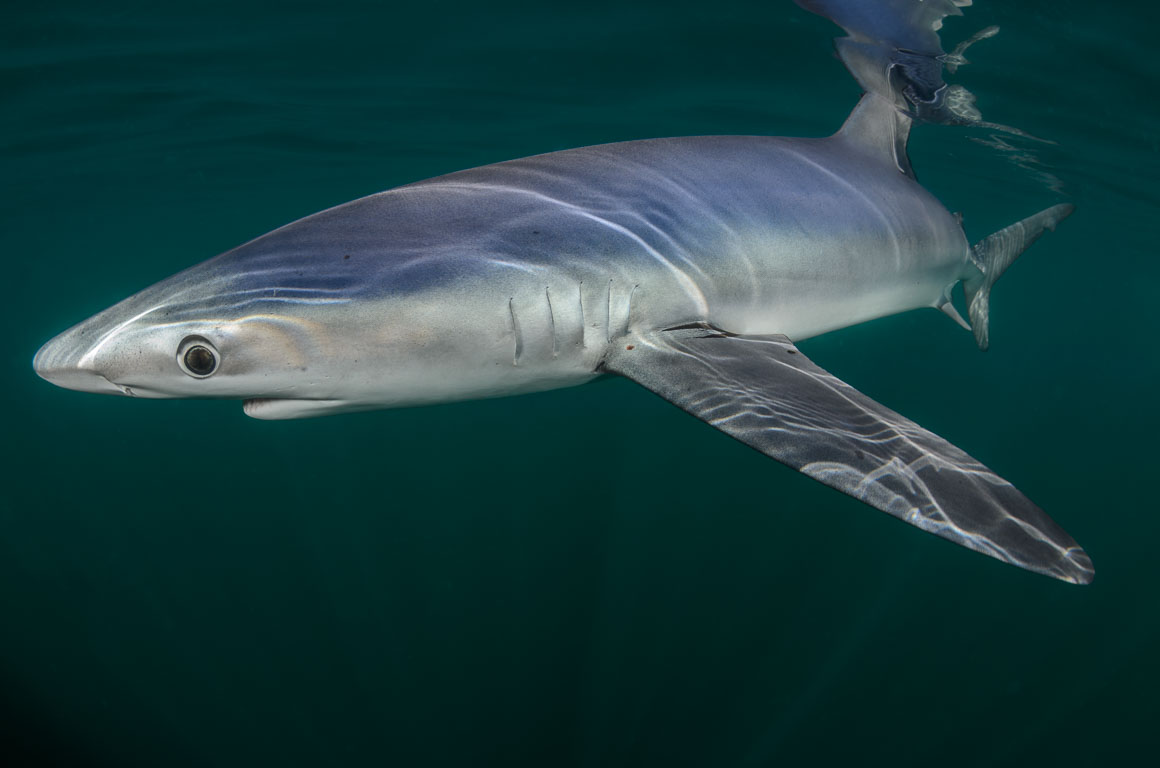
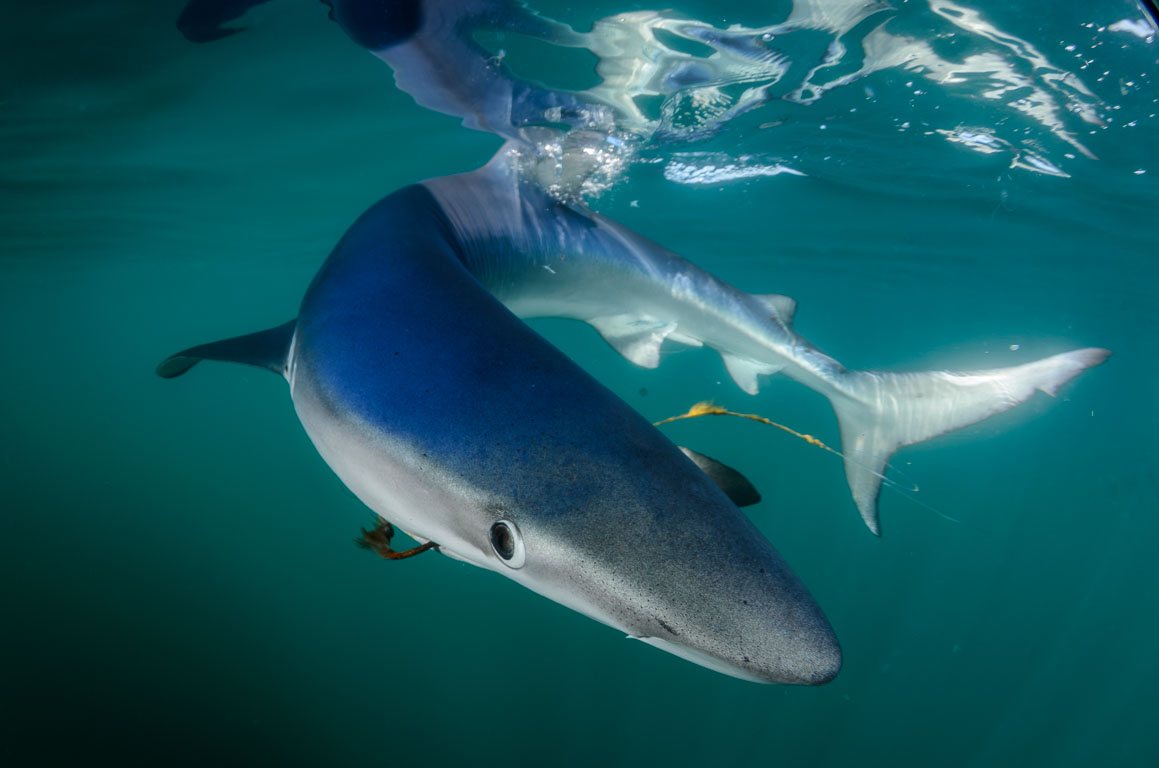
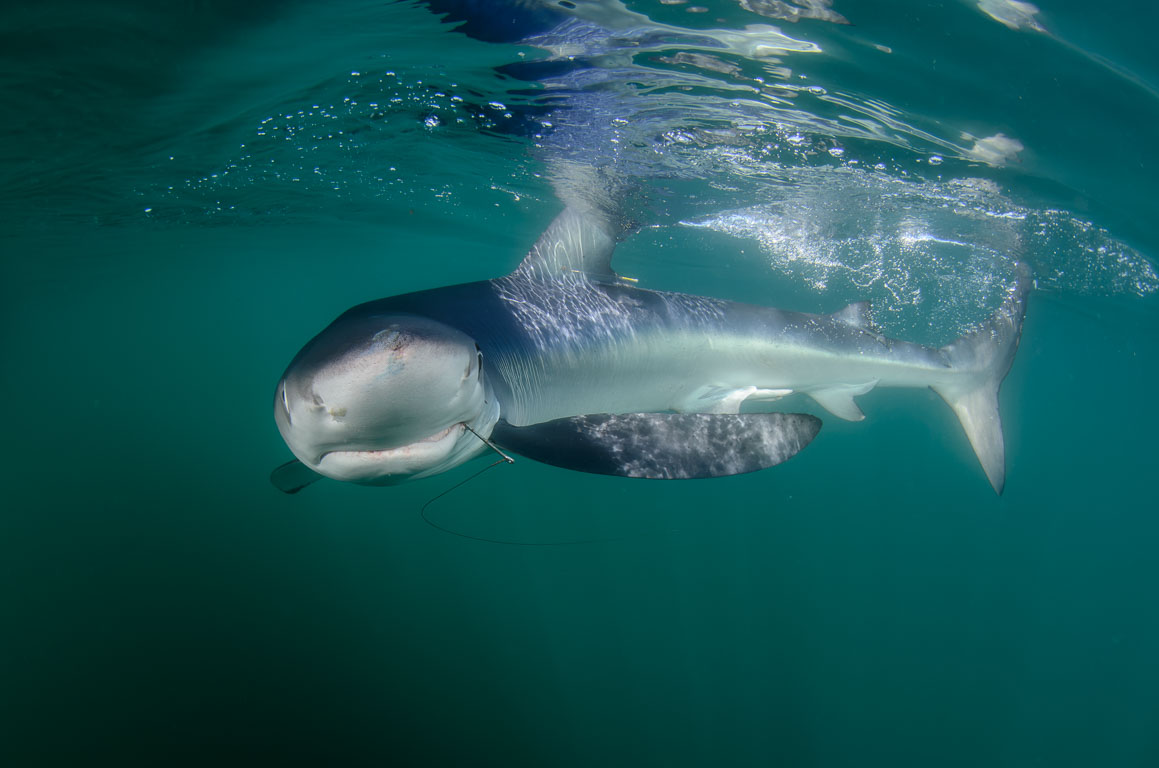
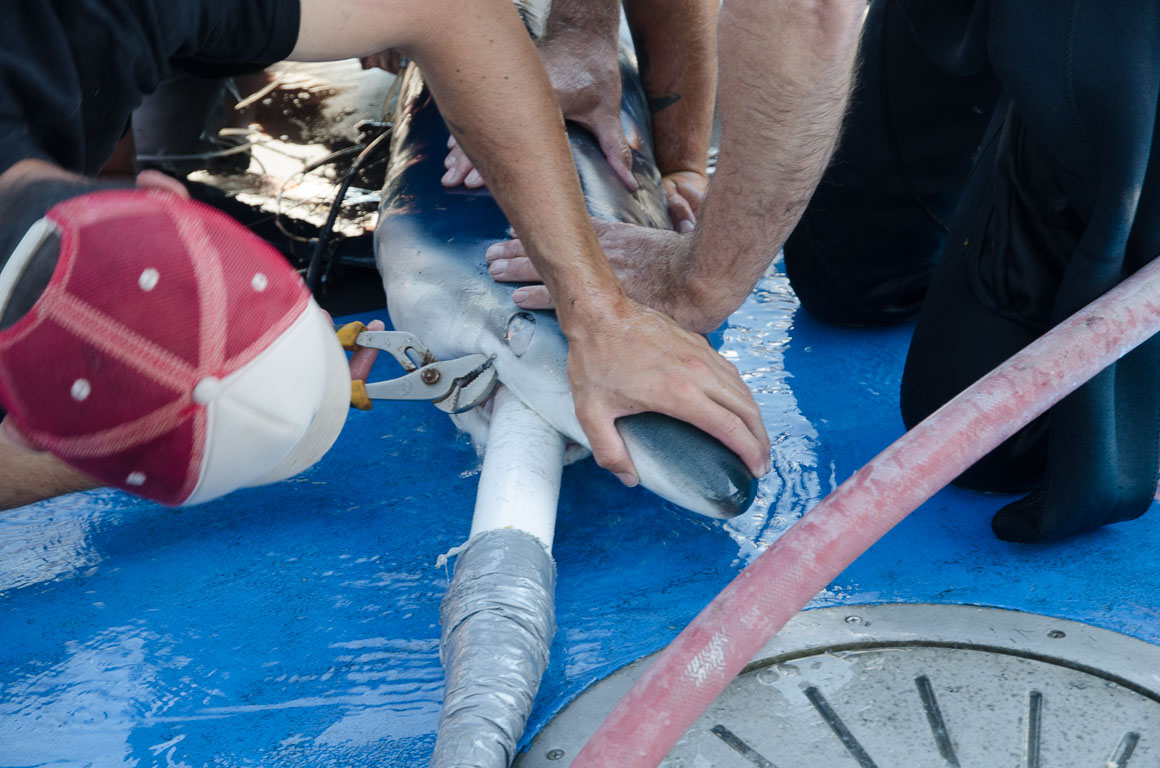
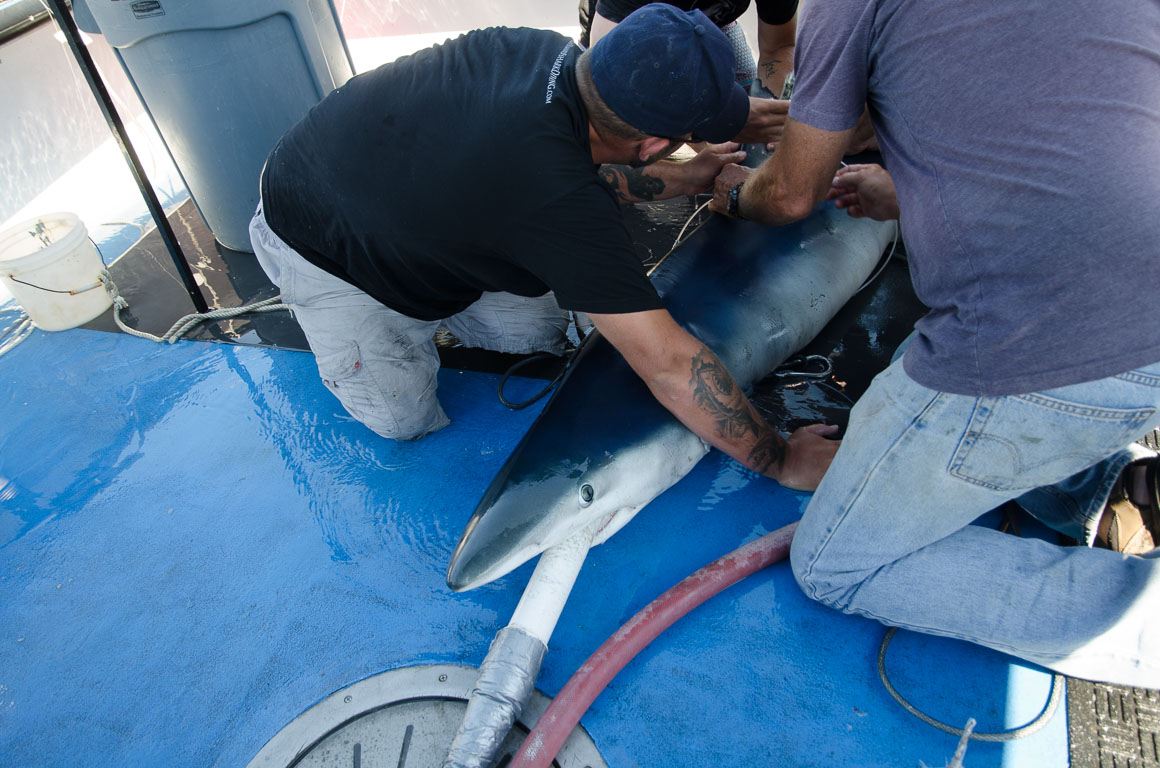
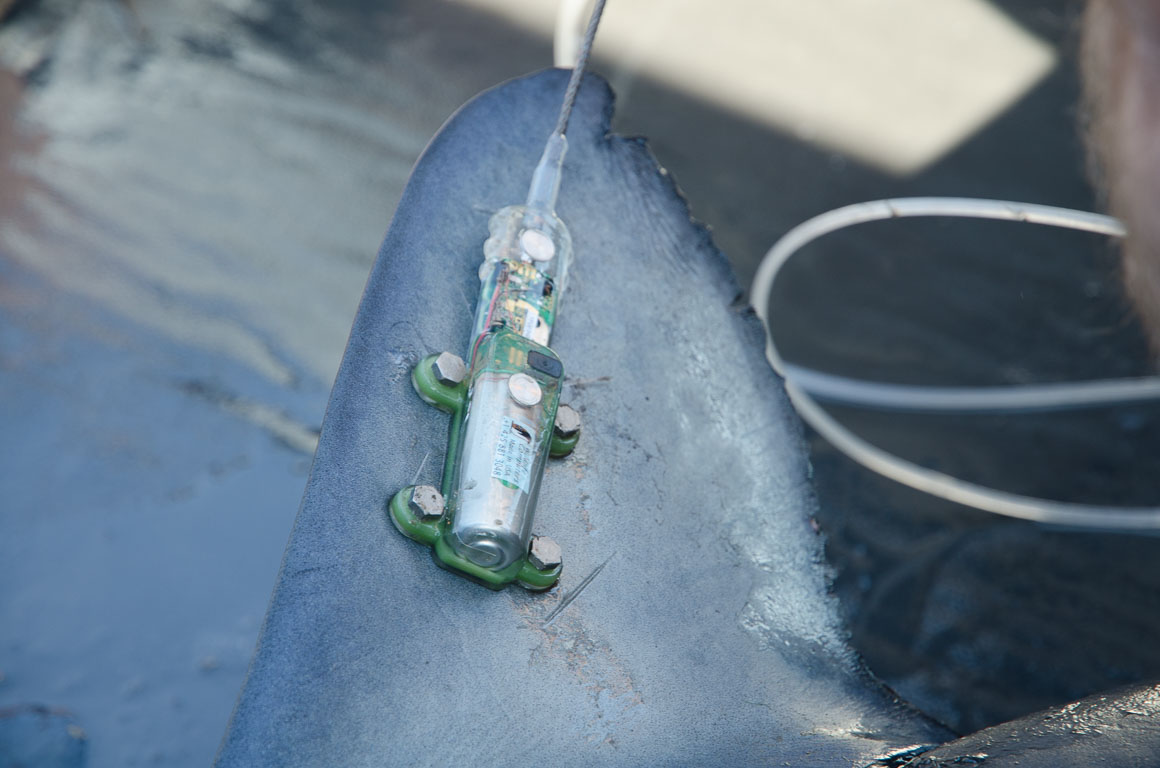
Later, a smaller blue shark with a large fishing hook in its mouth remained near the boat for several hours. The shark was carefully brought aboard so the hook could be removed. During the procedure, researchers also attached a satellite tracking tag to its dorsal fin. Seawater was continuously pumped through the shark’s mouth to maintain oxygen flow and reduce stress. The tag was designed to detach automatically after several months.
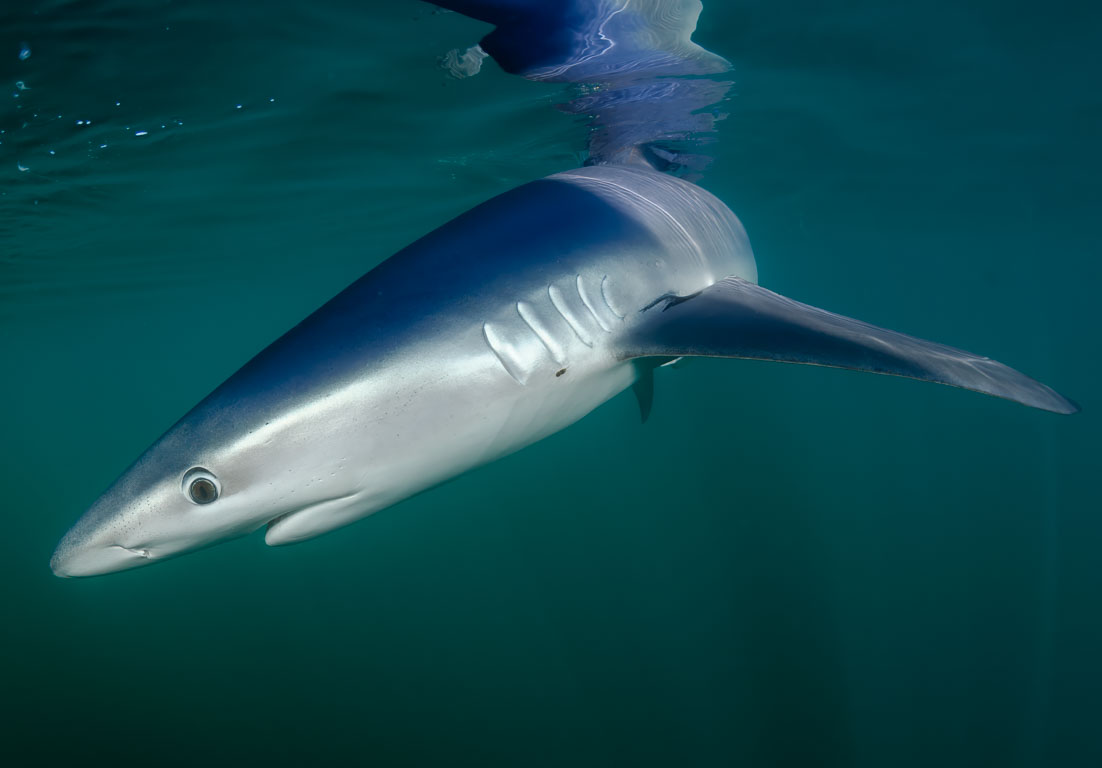
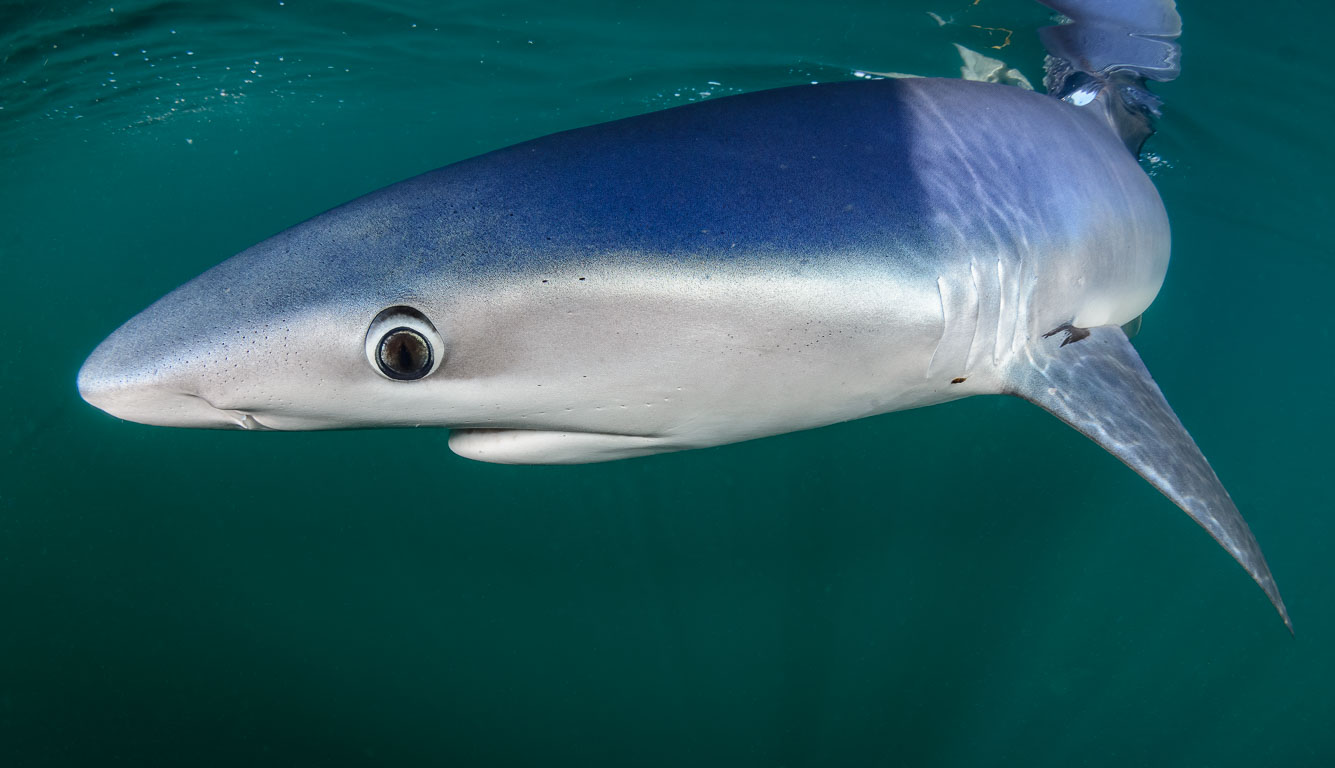
Blue sharks recorded in these waters are predominantly male. Satellite tracking data have shown that some individuals travel long distances across the Atlantic, with sharks tagged off Rhode Island later recorded near the Canary Islands. These movements illustrate the wide-ranging nature of blue sharks and the importance of international cooperation in their conservation.